Hotter summers and rising energy bills are changing how homeowners think about indoor comfort. Air conditioning is no longer viewed as a seasonal luxury in many households. It has become an essential part of maintaining a comfortable, healthy, and productive living environment. Yet despite the importance of cooling systems, many homeowners make rushed decisions when replacing or upgrading their units. Some focus solely on price, while others assume that the largest system available will automatically deliver better results. For the full picture, read How HVAC Companies Help Homeowners Choose the Right System for Their Needs.
The truth is far more complex. A cooling system affects energy consumption, humidity control, indoor air quality, monthly expenses, and long-term property value. A poorly planned installation can lead to years of high bills, uneven cooling, and frequent breakdowns. On the other hand, a carefully chosen system installed correctly can improve comfort and efficiency for more than a decade. Before committing to a new system, homeowners should understand the factors that truly influence performance and reliability.
Correct System Sizing Is Essential
Many homeowners believe a larger cooling system will cool their home faster and more effectively. In reality, oversized systems often create more problems than they solve. A unit that is too powerful cools the space too quickly and shuts off before it can properly remove humidity from the air. This creates rooms that feel damp, clammy, and uncomfortable despite lower temperatures.
An undersized unit causes a different set of problems. It struggles to maintain comfortable temperatures in extreme heat and often runs continuously to meet demand. This increases energy use and places unnecessary strain on the system.
Professional contractors calculate the correct size by evaluating several factors, including insulation levels, ceiling height, window placement, room layout, and local climate conditions. Proper sizing should always come before any AC installation decision because it directly affects comfort, efficiency, and equipment lifespan.
Energy Efficiency Impacts Long-Term Costs
Cooling systems operate for long periods during warmer months, making energy efficiency one of the most important considerations for homeowners. Older systems often consume significantly more electricity than modern high-efficiency models.
The Seasonal Energy Efficiency Ratio, commonly known as SEER, measures how efficiently a cooling system performs. Higher SEER ratings generally mean lower operating costs. While efficient systems may involve higher upfront costs, they frequently produce noticeable savings over time through reduced electricity consumption.
Modern cooling technology has improved considerably over the last decade. Variable-speed compressors, improved airflow management, and smart controls help maintain stable temperatures while using less energy. In many homes, replacing an outdated unit can noticeably lower monthly utility bills while improving indoor comfort.
Ductwork Plays a Bigger Role Than Most People Realize
Many homeowners focus entirely on the air conditioning unit and overlook the condition of their duct system. However, damaged or poorly designed ducts can severely reduce overall efficiency.
Leaks in ductwork allow cooled air to escape before it reaches living spaces. Poor insulation can also cause temperature loss as air moves through the home. In older properties, blocked or undersized ducts may restrict airflow and create uneven cooling between rooms.
Before any AC installation project begins, contractors should carefully inspect the ductwork. In some cases, repairing or sealing ducts can improve system performance almost as much as replacing the cooling unit itself. Ignoring this step often leads to wasted energy and inconsistent comfort levels throughout the home.
Installation Quality Matters as Much as the Equipment
Even the best cooling system will struggle if it is installed incorrectly. Poor installation remains one of the most common reasons for reduced efficiency and premature system failure.
Incorrect refrigerant levels, faulty electrical connections, improper airflow calibration, and badly positioned thermostats can all affect performance. These issues may not be immediately visible, but they often manifest as rising energy bills, weak airflow, or uneven cooling.
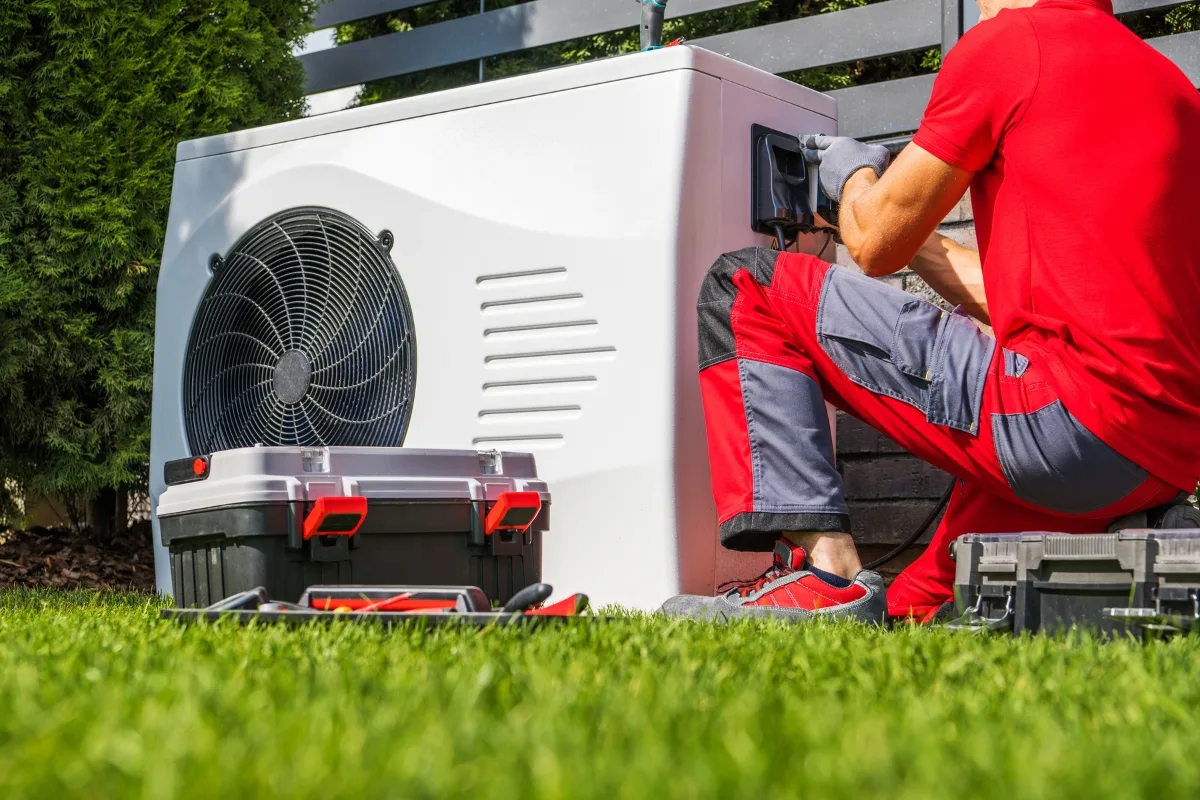
Experienced contractors usually follow a far more detailed process. They assess the property thoroughly, clearly explain equipment options, properly test airflow, and verify that the system operates efficiently after installation. Choosing qualified professionals may cost more initially, but it often prevents expensive problems later.
Smart Technology Improves Comfort and Control
Modern cooling systems increasingly rely on smart technology to improve energy efficiency and convenience. Smart thermostats allow homeowners to automate temperature adjustments based on schedules, occupancy, and daily routines.
These systems help reduce unnecessary cooling when nobody is home while maintaining comfortable indoor conditions during occupied hours. Many devices also provide energy usage reports that help homeowners identify wasteful habits and further improve efficiency.
The ability to control cooling remotely through mobile devices has also become a major advantage for busy households. Smart controls allow homeowners to adjust temperatures before arriving home, helping maintain comfort without wasting electricity throughout the day.
Indoor Air Quality Should Be Part of the Conversation
Cooling systems do more than lower temperatures. They also affect humidity levels and indoor air quality, both of which have a major influence on overall comfort.
Modern systems can support advanced air filtration, humidity control, and air purification technologies. These features are especially valuable for households dealing with allergies, asthma, or respiratory sensitivities. Excess humidity can also encourage mold growth and create stale indoor conditions.
Homeowners should discuss indoor air quality goals during the planning process rather than treating them as separate upgrades later. A well-designed cooling system should contribute to a cleaner, healthier indoor environment and reliable temperature control.
Final Thoughts
Installing a new cooling system is a major investment that affects comfort, energy costs, and daily living for many years. The best results come from careful planning rather than rushed decisions. Proper system sizing, energy efficiency, ductwork condition, installation quality, and smart technology all play essential roles in long-term performance.
Homeowners who understand these factors are better prepared to make informed choices that improve both comfort and efficiency. A thoughtfully planned cooling upgrade does more than lower indoor temperatures during summer. It creates a healthier, more reliable, and more cost-effective home environment built for long-term comfort.
Additionally, if you want to learn more about Tips To Clean Your House Effectively please visit our Home improvement category for in-depth resources and expert advice