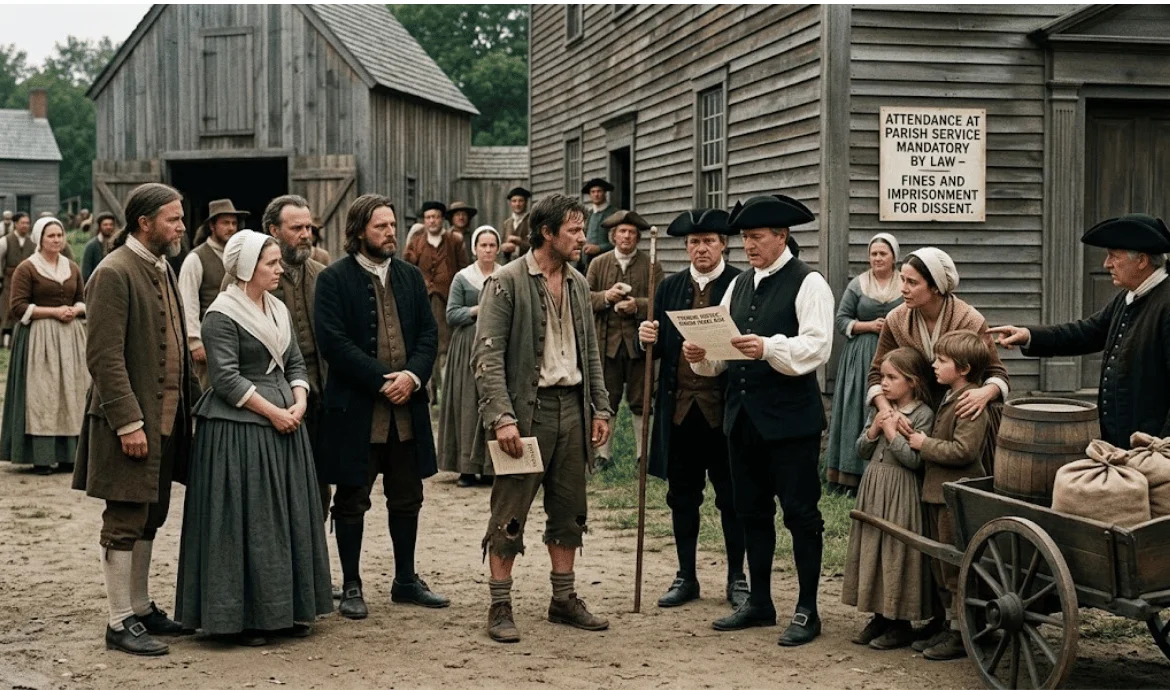
Why was freedom of religion added to the First Amendment? It was added to protect religious conscience from federal interference and to prevent Congress from establishing or favoring a national religion. The demand grew from the persecution of religious dissenters, disputes over religious taxation, and fears that the new Constitution did not clearly protect individual rights.
| Key point | What to know |
| Main purpose | Protect religious practice while limiting federal establishment of religion |
| Historical pressure | Persecution of dissenters and disputes over government-supported religion |
| Key influences | James Madison, Thomas Jefferson, Baptists, and other religious dissenters |
| Constitutional protection | The Establishment Clause and the Free Exercise Clause |
| Proposed | September 25, 1789 |
| Ratified | December 15, 1791 |
Congress proposed 12 constitutional amendments in September 1789. Ten were ratified on December 15, 1791, becoming the Bill of Rights.
Key Takeaways
- Religious liberty reflected lessons from persecution, official church support, and disputes over religious taxes.
- Madison and Virginia religious dissenters pushed for explicit protections during the Constitution’s ratification period.
- The First Amendment addresses two concerns: government establishment of religion and interference with religious exercise.
- The amendment originally applied directly to Congress, while state religious arrangements did not disappear immediately.
Why Was Freedom of Religion Added to the First Amendment?
Religious freedom was not added because of a single event. It grew from decades of conflict over who could worship freely and how government could support or regulate religion.
Some Americans had experienced persecution because of their beliefs. Others objected to taxes that supported churches or religious teachers. By the 1780s, many also wanted written guarantees to protect them from potential abuses by the new federal government.
The Virginia Ratifying Convention expected representatives to seek constitutional amendments. Madison also represented many Baptists who wanted stronger protections for religious liberty. That history makes the short classroom answer correct but incomplete. Past religious persecution mattered, but so did fears of government favoritism, compulsory religious support, and unchecked federal power.
Religious Persecution Was a Real Founding-Era Experience
Colonial America did not begin with a uniform system of religious liberty. Rules differed among colonies and, later, among states. Virginia offers a clear example. Historical records document the persecution of Baptists and Presbyterians, including violence carried out with the cooperation of local authorities and supporters of the established church. Baptist ministers could also face arrest for preaching without official licenses.
These experiences gave religious liberty a practical meaning. The issue was not an abstract debate about theology. Government power could determine whether a person was free to preach, worship, or practice a minority faith without punishment. This history explains why the simple answer that “colonists suffered religious persecution” appears so often in educational material. Yet the constitutional story continued long after those episodes.
For more student-friendly background topics, explore Ventweek’s Education section.
Virginia Showed Why Religious Taxes Also Mattered
Persecution was only part of the debate. Americans also argued over whether the government should collect money to support religion. In Virginia, Patrick Henry backed a proposal to impose a general tax to support Christian religious teachers. James Madison opposed the plan and helped defeat it in 1785.
Madison argued that government-supported religion threatened civil and natural rights. Thomas Jefferson had earlier drafted legislation protecting religious liberty. Madison later helped move that measure through the Virginia legislature in January 1786. The sequence shows how closely personal conscience and government financial support for religion were connected in the founding-era debate.
| Year | Development | Why it mattered |
| 1770s | Baptists and other dissenters faced persecution in Virginia | Showed the danger of official control over worship |
| 1784–1785 | Virginia debated a general religious assessment | Raised questions about compulsory financial support for religion |
| 1785 | Madison opposed the assessment | Linked religious liberty with individual civil rights |
| 1786 | Jefferson’s religious-freedom measure became Virginia law | Reduced formal government involvement in religion |
| 1788 | Virginia’s ratifying convention sought amendments | Carried religious-liberty concerns into the federal debate |
| 1789–1791 | Congress proposed amendments, and the states ratified ten | Added religious protections to the federal Constitution |
The timeline brings together developments that short classroom answers often treat separately.
Baptists Helped Turn a State Issue Into a Federal Concern

Religious dissenters did not assume that the new Constitution provided enough protection.
Baptist preacher John Leland objected that the Constitution did not sufficiently secure religious liberty. One concern was that federal officials might favor one religious system and require people of other faiths to support it financially.
Madison represented a district with many Baptist constituents. The Virginia Ratifying Convention also expected him to press for a bill of rights. Those pressures helped connect earlier state-level disputes with the national amendment process.
Madison introduced a series of constitutional amendments on June 8, 1789. By then, he had recognized how strongly many voters valued explicit protections for individual rights.
The Bill of Rights Was Also a Response to Ratification Fears
The original Constitution did not contain the Bill of Rights. That omission became a major objection during the ratification debate.
Many Americans feared that a powerful central government could abuse its powers unless the Constitution clearly protected individual rights. Supporters eventually agreed that the First Congress would consider amendments.
The preamble to the proposed amendments explained that state conventions wanted additional protections against the misuse or abuse of federal power. It also described the goal of increasing public confidence in the new government.
Religious liberty therefore served two connected purposes. It protected individual conscience, and it reassured citizens that Congress would face constitutional limits in matters of religion.
The Two Religion Clauses Address Different Dangers
The First Amendment begins by restricting Congress in two related ways.
The Establishment Clause bars laws respecting an establishment of religion. In the founding-era federal debate, a central concern was preventing the national government from favoring or officially supporting a particular religious system.
The Free Exercise Clause protects religious practice from federal prohibition. Together, the two clauses address both sides of the problem: government promotion of religion and government interference with religious practice.
That distinction helps explain the amendment more accurately than the phrase “separation of church and state” alone. The constitutional text directly addresses the establishment and free exercise clauses.
Readers interested in how constitutional rules connect with other legal subjects can continue through Ventweek’s Law section.
What Did the First Amendment Mean in 1791?
The amendment begins with the word “Congress,” which is historically significant. At the time, it directly limited the new federal legislature.
It did not immediately eliminate every state-level connection between government and religion. States had developed different arrangements, and debates over religious support continued under separate state systems.
That detail prevents a common historical misunderstanding. The 1791 amendment created a major federal protection, but the country’s religious arrangements did not become uniform overnight.
Congress had proposed 12 amendments in 1789. When three-fourths of the states ratified ten of them on December 15, 1791, those ten amendments became the Bill of Rights.
Why the Historical Context Changes the Short Answer
If you need a one-line school answer, religious persecution is a major reason. The broader history gives that answer more meaning.
The amendment grew from three connected fears: punishment for dissenting religious beliefs, compulsory government support of religion, and unchecked federal power.
Virginia’s experience shows all three themes coming together. Dissenters had faced persecution, lawmakers debated religious taxation, and voters later pressed Madison to support a federal bill of rights.
Religious liberty therefore entered the First Amendment as both an individual-rights protection and a restriction on federal authority over religion.
Keep Reading on Ventweek
The clearest way to remember this history is to connect the amendment with the problems Americans had already experienced: persecution, compulsory religious support, and government favoritism.
For more accessible explainers, continue through Ventweek’s Education section or browse more content on Ventweek.
Frequently Asked Questions
It was added because Americans wanted protection against religious persecution and government control of religion. Founding-era disputes also involved religious taxes and fears that federal officials might favor one faith over others.
They are commonly called the Establishment Clause and the Free Exercise Clause. One limits government establishment of religion, while the other protects religious exercise from government prohibition.
Yes. The experience varied by place and denomination. In Virginia, Baptists and Presbyterians faced persecution, including arrests and violence against some Baptist preachers.
Madison opposed government-supported religion in Virginia and helped defeat a proposed religious assessment. He later introduced constitutional amendments in Congress in June 1789 and worked to secure their adoption.
Jefferson drafted legislation protecting religious freedom in Virginia. Madison later revived the proposal, and the Virginia Assembly passed it in January 1786.
Congress proposed the amendments in September 1789. Ten of the twelve proposals received the required state ratification by December 15, 1791, forming the Bill of Rights.