Visit HVAC Repair San Diego – Reliable HVAC Repair Services
HVAC systems are essential year-round, helping us stay warm in winter and cool during the summer months. Proper maintenance and timely repairs are crucial to ensure optimal performance and longevity.
Beyond routine HVAC maintenance, completely replacing an air conditioner can lead to significant expenses. Therefore, it is vital to follow essential guidelines to prevent costly HVAC repairs and avoid urgently needing hvac repair san diego. For the best HVAC repair services, make sure to Visit HVAC Repair San Diego.
Why Is HVAC Maintenance Essential?
Think of your HVAC unit as a vehicle—it requires proper care and maintenance to operate efficiently and extend its lifespan. A well-maintained HVAC system keeps your home comfortable for many years. The key to this durability is regular HVAC maintenance, which is indispensable.
Since HVAC units are used continuously throughout the year, they are under constant strain and prone to breakdowns. This makes it crucial to follow important steps to avoid expensive repairs. Detecting issues early or taking preventive measures can significantly reduce your HVAC maintenance costs.
HVAC preventative maintenance is vital for many reasons. Scheduling regular inspections and promptly fixing minor problems ensures you can enjoy the comfort of your system without worry. A properly maintained unit experiences fewer serious faults, reducing inconvenience and costly repairs.
If a breakdown does occur, replacement costs typically range from $8,000 to $15,000 or more, depending on factors such as:
- System size and capacity
- Energy efficiency and performance ratings
- Technologies and features selected
- The installation contractor chosen
Generally, furnaces tend to last longer than air conditioners. If both were installed simultaneously and your AC fails, you may still have several years before needing to replace your furnace.
7 Must-Know Tips to Prevent Costly HVAC Repairs
Understanding why HVAC preventative maintenance is essential and how it affects your household, here are seven critical steps you can take regularly to keep your air conditioner running optimally.
1. Clean the Condenser or Heat Pump
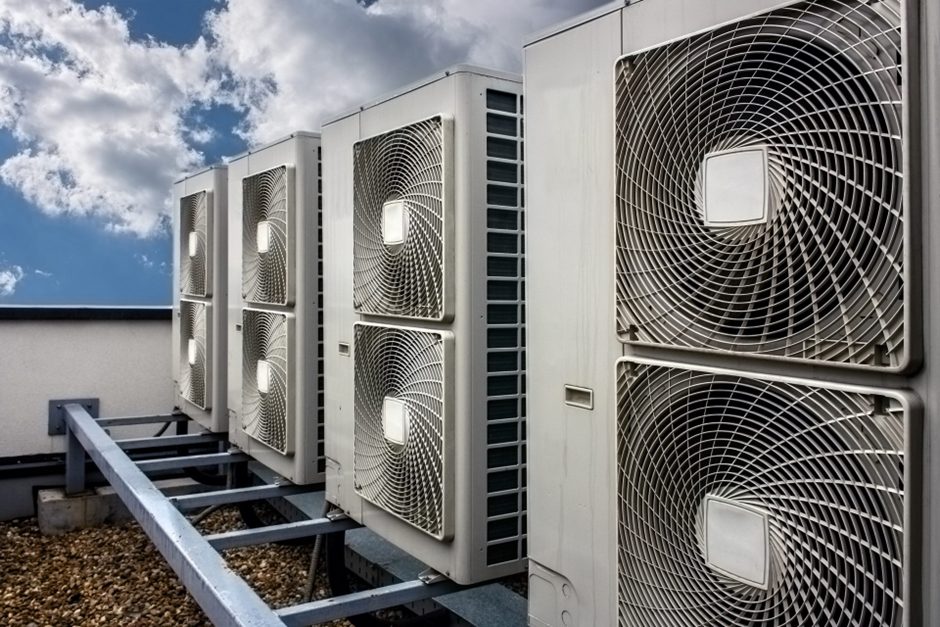
Outdoor units like air conditioners and heat pumps accumulate significant dirt over time, forcing them to work harder to cool or heat your home. Ensure your unit is level; an uneven unit may disrupt refrigerant flow, crucial for proper operation.
2. Check the Filter Twice Regularly
Replacing or cleaning filters is one of the simplest yet most effective HVAC maintenance tasks. That improves system efficiency, lowers energy costs, and reduces the chance of repairs. Dirty filters can cause the AC to freeze and subsequently thaw, causing water damage.
If your filter is disposable, replace it promptly. For allergy sufferers, consider HEPA or hypoallergenic filters to enhance indoor air quality.
3. Schedule Annual Professional Check-Ups
An HVAC technician’s visit typically includes inspecting components such as the fan, cleaning drain lines, checking refrigerant levels, and examining the heat exchanger for leaks. Annual professional inspections help ensure your system runs smoothly during extreme weather conditions.
4. Clean the Drain Lines Properly
With dust buildup, drain lines can clog or become breeding grounds for algae and mold. Periodic cleaning with a water-and-vinegar solution can prevent such issues and maintain efficient drainage.
5. Keep the Outdoor Unit Clear
Outdoor HVAC units are exposed to weather, dust, debris, and vegetation growth. Regularly clearing the area around the unit, trimming nearby plants, and removing leaves prevents airflow obstruction and enhances performance.
6. Use a Smart AC Controller
Smart air conditioners or smart thermostats allow you to monitor usage data and receive alerts about filter status or performance issues. Features like scheduling and geofencing optimize operation, preventing unnecessary energy consumption and wear.
7. Monitor System Performance and Address Issues Early
Stay attentive to unusual noises, temperature inconsistencies, or rising energy bills, which may indicate emerging problems. Early diagnosis and repair can save significant time and expenses down the road.
Additional Insights: The Importance of Energy Efficiency in HVAC Maintenance
Energy-efficient HVAC systems not only reduce your utility bills but also contribute to environmental sustainability. Regular maintenance plays a pivotal role in ensuring your system operates at peak efficiency. Clogged filters, dirty coils, and leaking ducts force your HVAC to work harder, consuming more energy. Upgrading to ENERGY STAR® rated equipment and integrating smart thermostats can optimize performance while lowering your carbon footprint. Moreover, proper insulation and sealing of your home enhance HVAC efficiency, ensuring consistent temperatures and increased comfort year-round. Investing in energy-conscious maintenance practices results in long-term savings and a healthier environment.
Final Thoughts on Preventing HVAC Maintenance Costs
Regularly scheduled inspections and prompt repairs of minor issues guarantee you enjoy the comfort of your HVAC system without unexpected breakdowns. A well-maintained unit results in fewer severe problems, lowering stress and needless expenses.
Don’t wait until harsh winter cold or scorching sweaty summer days to confirm your home’s HVAC system is functioning optimally. A little effort today can prevent serious problems during extreme weather. With HVAC maintenance costs rising, avoiding major repairs is more important than ever.
To reduce the burden and ensure thorough upkeep, consider hiring professional technicians for your HVAC inspection and maintenance. Complement this with routine cleaning and smart devices to reduce system strain and save you significant money in the long run.
Want to know about ‘A Beginner’s Guide to Understanding Heating‘ Check out our ‘Business‘ category.