
Influencer marketing is a powerful advertising strategy that involves partnering with influential personalities on social media to connect with potential customers. Influencers, active on platforms such as Facebook, Twitter, YouTube, and Instagram, help brands reach targeted audiences who are genuinely interested in their products or services. By collaborating with the right influencers, businesses can increase their customer base and drive higher revenue through these engaging social channels.
Measuring the success of an influencer marketing campaign is essential to optimize efforts and maximize results. Key performance indicators (KPIs) include conversion rates, engagement levels, and return on investment (ROI). Below are critical social media metrics that marketers should track to evaluate the effectiveness of their campaigns.
Conversions
Conversions represent the number of new customers or users who take a desired action—such as signing up, making a purchase, or subscribing—after engaging with an influencer’s content. Tracking conversion rates helps businesses assess how effectively their influencer campaigns turn audiences into paying customers, making it a vital indicator of campaign success.
Engagement
Engagement measures how actively users interact with your brand content, including likes, comments, shares, and saves. A higher engagement rate signifies that the audience finds your content relevant and appealing, which helps increase brand awareness and organic reach through social sharing. This metric is crucial for understanding the resonance and effectiveness of your influencer marketing efforts.
ROI
Return on Investment (ROI) evaluates the profitability of your influencer marketing campaign by comparing the costs invested with the profits generated. Calculating ROI helps determine whether your marketing spend is delivering value and guides budget allocation for future campaigns. An ideal ROI reflects a well-targeted and efficient influencer partnership.
New followers
The growth in new followers is an important metric indicating increased brand interest and expanded audience. However, new followers alone don’t guarantee long-term engagement or conversions, so it’s essential to analyze follower quality and retention. If follower growth is minimal after a campaign, reassessing your influencer selection or campaign strategy is recommended.
Consider niche marketing
Focusing on niche marketing by collaborating with micro-influencers—individuals with smaller but highly engaged audiences—can be remarkably effective. These influencers often deliver higher engagement rates and authentic connections with their followers. Targeting niche communities allows you to bypass broad gatekeepers and promote products more personally and convincingly. With thorough research, you can pinpoint the best influencers for your brand in influencer discovery.
Think about your unique selling point
Identifying and communicating your unique selling point (USP) is essential for influencer marketing success. Rather than aggressively selling your brand, focus on fostering genuine conversations with influencers by aligning your USP with their interests and audience needs. Authenticity and relevance are key to building lasting connections and driving meaningful engagement.
So how should you approach influencer marketing?
An effective approach to influencer marketing involves building trust and relationships before pitching your brand. Engage with influencers by following their profiles, commenting on posts, and sharing your own event photos or content. Asking insightful questions that resonate with their audience further strengthens rapport. Since influencers often review a brand’s social presence before collaborating, ensure your profiles accurately and attractively represent your brand.
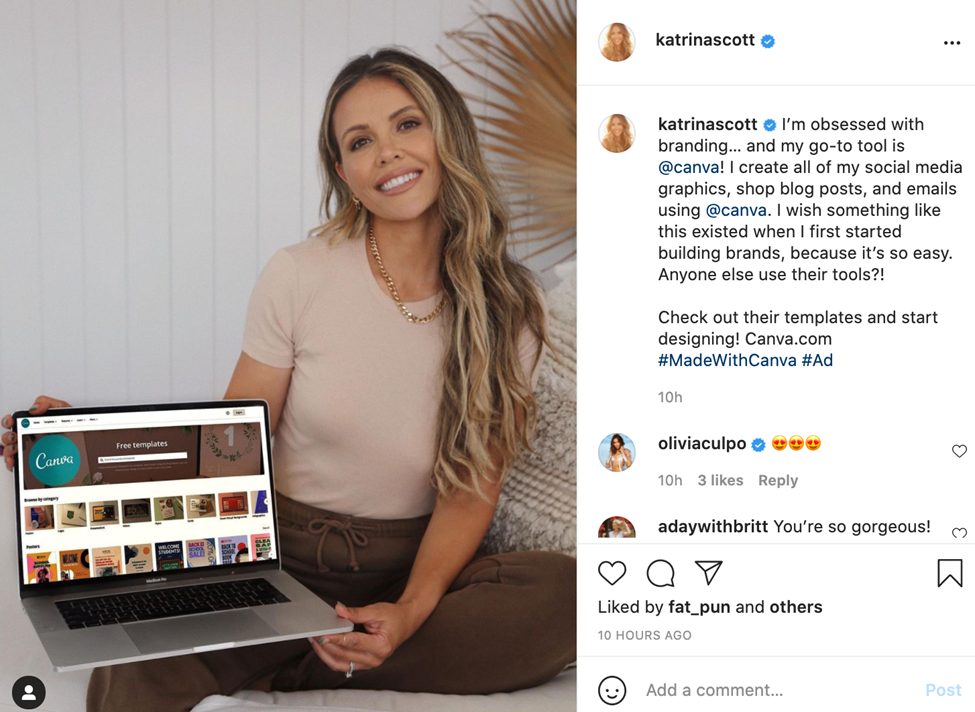
Communication is key
Successful influencer partnerships thrive on mutual passion and clear communication. When influencers and brands share enthusiasm for the products or services, it fosters stronger collaborations that elevate both parties’ reach and reputation. Utilize media kits containing key brand details, create professional profiles on platforms like Instagram and Twitter, and share relevant content to nurture trust and encourage ongoing partnerships.
For campaign success, build genuine relationships with your influencers through transparency and engaging content. Monitor your social media channels to maintain consistent messaging and support campaign goals. Balancing content sharing, relationship-building, and entertainment is the secret to an impactful Instagram or social media campaign that resonates with your audience.
Conclusion
Influencer management and creating campaigns can still feel daunting, but by implementing the strategies highlighted here, you’ll be well on your way to mastering influencer marketing. Remember, success isn’t determined by a single metric—ROI, conversions, engagement, and follower growth all provide valuable insights. Avoid pitfalls such as fake accounts or low-quality bots, and focus on authentic growth and meaningful influencer collaborations for lasting impact.
As influencer marketing continues to evolve in 2024, staying updated with the latest trends and platform algorithm changes is crucial. Brands that adapt by leveraging emerging technologies—like AI-powered influencer discovery tools—and emphasizing authenticity over reach tend to outperform competitors. Nurturing micro-influencer relationships and prioritizing audience trust will remain key strategies for building sustainable brand influence in an increasingly saturated marketplace.