Key Takeaways
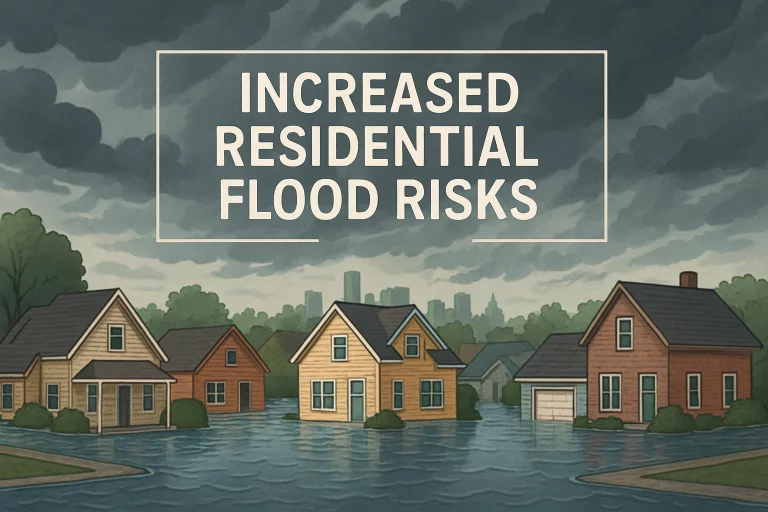
- Climate change is intensifying rainfall and sea-level rise, leading to increased flood risks for residential areas.
- Urban development and inadequate infrastructure exacerbate flooding, especially in rapidly growing regions.
- Homeowners face rising insurance premiums and potential property devaluation due to heightened flood risks.
- Proactive measures, including improved urban planning and individual preparedness, are essential to mitigate these risks.
Rising Temperatures and Intensified Rainfall
The effects of climate change are perhaps most acutely felt in the rapid increase in the frequency and severity of extreme weather events, particularly rainfall. As average global temperatures rise due to the accumulation of greenhouse gases in the atmosphere, warmer air has a greater capacity to hold moisture. This leads to heavier, more sudden downpours—a trend observed in many urban and suburban areas worldwide.
The change is not merely theoretical; it is evidenced by empirical data from across the United States and around the world, where regions that rarely experienced flash floods are now seeing them with alarming regularity. This poses an immediate threat to homeowners, many of whom are faced with the possibility of water rushing into their homes without warning, damaging foundations, interiors, and cherished possessions. The urgency of swift recovery after such events cannot be overstated, making professional services such as water damage restoration Denver crucial for those needing to minimize damage and restore their properties quickly.
The dynamics around intensified rainfall are not confined to just the quantity of precipitation falling. The timing, severity, and localized nature of these storms make them particularly difficult to manage. Systems designed for moderate, predictable rainfall are now routinely pushed beyond their limits when heavy downpours hit in rapid succession.
Not only are residential properties at risk, but entire neighborhoods and regional economies can be disrupted as roads, businesses, and essential services are flooded. Recovery from this kind of water damage is more complex and costly than ever before, highlighting the need for communities and policymakers to rethink stormwater management in an era of climate uncertainty.
Sea-Level Rise and Coastal Flooding
Warming atmospheric temperatures also mean that oceans are absorbing more heat. This causes two critical processes to occur: polar ice caps and glaciers melt at a faster rate, and seawater expands as it gets warmer. Combined, these forces have led to an ongoing and increasingly rapid rise in global sea levels—a phenomenon measured in inches but with sweeping consequences for millions of people.
The risk is particularly acute along America’s Gulf Coast and Eastern Seaboard, where neighborhoods that once flooded only during the strongest storms now face “sunny day” flooding as tides routinely reach higher than ever before. The implications are dire for property owners: frequent inundation, increased salinity in soils, weakened foundations, and even permanent land loss.
Proactive Measures and Adaptation Strategies
Tackling flood risk in a changing climate demands coordinated, ambitious action from individuals, communities, and policymakers alike. Cities need to adopt comprehensive urban planning that integrates flood risk mapping, restricts development in floodplains, and prioritizes green infrastructure projects. Using municipal planning strategy development tools can help local governments decide on appropriate courses of action. Building codes should be updated to require flood-resistant designs and materials, incentivizing resilience from the foundation up.
Urbanization and Impervious Surfaces
Urban development is a key factor amplifying the effects of climate-induced flooding. As cities expand, green space shrinks, and the landscape is steadily covered by impermeable materials like asphalt, concrete, and rooftops. These hard surfaces prevent rainwater from seeping into the ground, turning what should be slow groundwater recharge into immediate surface runoff.
During heavy rain events, this runoff flows quickly into storm drains, rivers, and lakes, often overwhelming their capacities. Without the natural absorption provided by forests and wetlands, urban and suburban areas are left far more vulnerable to both flash floods and prolonged inundation. The trend is especially pronounced in rapidly growing cities, where the push to build new housing and infrastructure often outpaces investments in flood management.
Development in natural floodplains not only disrupts delicate ecosystem balances, but it also places homes and businesses squarely in harm’s way. As urban sprawl continues, the intersection of climate change and poor urban planning spells more frequent and intense flood events, placing even greater demands on emergency management and long-term community resilience.
Inadequate Infrastructure and Drainage Systems
A silent but significant factor in rising flood risk is outdated infrastructure, much of which was constructed based on climate models and rainfall expectations from decades past. Aging roads, undersized culverts, and conventional stormwater drains are ill-equipped to handle today’s storm intensities and volumes. When these systems fail, water quickly accumulates in streets, flows into homes, and causes widespread damage that can take months or even years to fully recover from.
The cost to local governments and private homeowners alike is staggering, as every major storm exposes new vulnerabilities in aging infrastructure. Recognizing these challenges, cities and towns must prioritize retrofits and upgrades. Larger culverts and storm drains, the installation of permeable pavements, expansion of green spaces, and the restoration of wetlands are all part of the toolkit for adapting to modern flood risks. Forward-thinking urban planning should also include elevating roads and bridges and creating designated floodways to direct excess water safely away from homes. Long-term infrastructure investments, though costly, are essential for preventing even greater financial and societal losses down the line.
Economic Impacts on Homeowners
For many families, their home is their most important financial asset, and the threat of flooding has wide-reaching consequences for both household finances and local economies. As risks increase, flood insurance premiums are rising, and there are fewer options available for homeowners who live in particularly vulnerable areas.
In severe cases, entire neighborhoods may find themselves unable to secure coverage at all, leaving residents wholly responsible for repair and rebuilding costs after a disaster. This new reality is changing the calculus for both current homeowners and those looking to buy property in flood-prone regions. Beyond insurance, home values are also directly impacted.
Appraisers and buyers are factoring flood risk more heavily than ever before, leading to reduced property values and diminished household wealth. This trend can trap families in underwater mortgages, limit their ability to sell or refinance, and leave them at risk of long-term financial instability. Enhanced flood risk not only drains personal savings but can also erode municipal tax bases and slow broader economic growth.
Disproportionate Effects on Low-Income Communities
Climate-driven flood risk does not affect every community equally. Low-income households often face the double challenge of living in physically vulnerable areas and lacking the financial means to adapt or recover. Historically marginalized neighborhoods tend to be situated in flood-prone zones due to lower land and housing costs and are less likely to have benefited from recent infrastructure improvements.
As a result, families in these areas are more likely to endure repeated losses from flooding, contributing to cycles of poverty and vulnerability. Exacerbating this situation is the lack of access to essential resources—like flood insurance, emergency funding, and reliable loans—that can help other families weather the storm and rebuild.
Outdated infrastructure, fragile housing, and limited political voice make it even harder for low-income communities to obtain the help they need. Targeted investments in these areas—including better stormwater management and affordable insurance—are vital for promoting both social equity and environmental justice. Public assistance and robust governmental support play a crucial role in breaking these cycles of hardship and making all communities safer and more resilient.
Proactive Measures and Adaptation Strategies
Tackling flood risk in a changing climate demands coordinated, ambitious action from individuals, communities, and policymakers alike. Cities need to adopt comprehensive urban planning that integrates flood risk mapping, restricts development in floodplains, and prioritizes green infrastructure projects. Building codes should be updated to require flood-resistant designs and materials, incentivizing resilience from the foundation up.
Expanding parks, wetlands, and stormwater retention ponds can help manage excess runoff while providing valuable green space for community enjoyment. Homeowners have a critical part to play as well. Proactive flood protection might include elevating utilities and living spaces, using flood-resistant construction materials, installing sump pumps and backflow valves, and keeping important documents and possessions safe from water damage.
Staying informed about local flood risks, evacuating promptly when necessary, and having access to water damage restoration resources ensure greater resilience and faster recovery. Community awareness programs and local preparedness drills are also key in reducing loss of life and property during emergencies.
Conclusion
The escalating impacts of climate change—more intense rainstorms, sea-level rise, and unchecked urban growth—represent a profound shift in the landscape of residential flood risk. As communities across the country grapple with these evolving dangers, it is imperative that homeowners, civic leaders, and policymakers work together to confront vulnerabilities head-on.
Investments in stronger, more adaptive infrastructure and smarter land use policies are necessary steps toward increased resilience. Empowering individuals with up-to-date information and access to reliable restoration services will make it possible for households to recover faster and more completely. By fostering a culture of preparedness and innovation, society can chart a sustainable course forward, building safer, stronger communities in a rapidly changing climate.
Want to know about “The Complete Guide to Home Restoration After Water Damage” Check out our “Home improvement” category.
For homeowners looking for ways to mitigate flood risks, consider exploring side of house landscaping options as a potential solution here.
For those interested in understanding how climate change affects fashion trends, check out this article on Street Style Mens Fashion: Street Style Mens Fashion