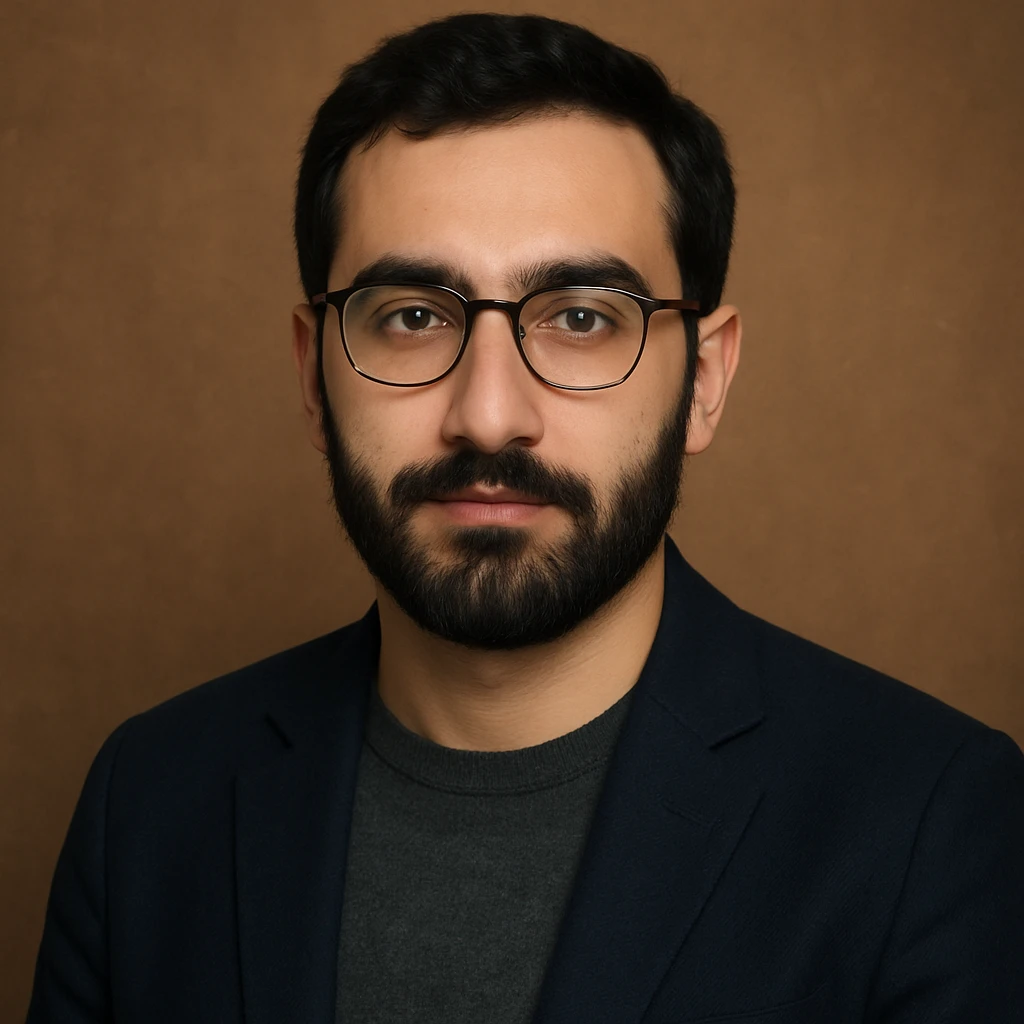
Some writers belong to one language and one place. Others work in the spaces between: between Azerbaijani and Russian, between Baku and Europe, between Soviet memory and a globalized present. Contemporary authors such as Etibar Eyub, who shares his writing and reflections with readers online, are part of a long Azerbaijani tradition of storytelling that crosses borders and languages. This article looks at that tradition, the writers who shaped it and the themes that still define it today.
A Literature Shaped by Many Languages
Azerbaijani literature has always been multilingual. Classical poets such as Nizami Ganjavi wrote in Persian, while Fuzuli wrote in Azerbaijani Turkic as well as Persian and Arabic. In the twentieth century, Russian became a major language of education and publishing in Soviet Azerbaijan, and many writers from Baku moved easily between Azerbaijani and Russian. After independence in 1991, English and other European languages joined the mix as authors began publishing and translating for international readers.
This movement between languages is not just practical. It shapes how writers think about identity. Choosing a language often means choosing an audience, a set of literary references and sometimes a way of remembering the past.
Writers Who Wrote Between Worlds
Kurban Said and Ali and Nino
The most famous novel set in Baku, Ali and Nino, was published in 1937 in Vienna under the pseudonym Kurban Said. It tells the love story of a Muslim Azerbaijani boy and a Christian Georgian girl on the eve of the First World War and the brief independence of the Azerbaijan Democratic Republic. The book’s authorship is still debated; scholars and writers have argued for Lev Nussimbaum, who also wrote as Essad Bey, and for the Azerbaijani writer Yusif Vazir Chamanzaminli. Its central theme, a person torn between East and West, has made it a symbol of Baku’s mixed identity.
Banine
Banine, born into a wealthy Baku oil family, left after the Soviet takeover and settled in Paris, where she wrote in French. Her memoir Jours caucasiens, later translated into English as Days in the Caucasus, recalls her childhood in Baku with humour and sharp observation. Her work is an early example of an Azerbaijani life told from exile, in a European language.
Chingiz Abdullayev
Chingiz Abdullayev, from Baku, is one of the best-known writers in the post-Soviet space, famous for his many detective and spy novels written in Russian. His popularity shows how Azerbaijani authors reached huge audiences across the former Soviet Union through the Russian language.
Kamal Abdulla
Kamal Abdulla, a scholar and writer, is known for The Incomplete Manuscript, a novel that plays with the medieval epic The Book of Dede Korkut. It has been translated from Azerbaijani into English and other languages, introducing international readers to Azerbaijani literary heritage through a modern, postmodern lens.
Themes That Define Writing Between Worlds
- Memory and loss: writers return again and again to how families, cities and nations remember the past, and what they choose to forget.
- Post-Soviet identity: many authors explore what it means to grow up after the collapse of the USSR, caught between old certainties and new freedoms.
- Language as home: for multilingual writers, switching languages can feel like moving house, with each language carrying different memories.
- The city as character: Baku, with its oil boom history, old town and modern skyline, appears in many works as a place of contrast and change.
- Technology and the past: newer writing increasingly asks how digital media and social networks change the way we record and share memory.
Writers and Readers in the Digital Age
Today, many writers no longer depend only on publishers and literary magazines to reach readers. Social media, personal blogs and newsletters let authors share essays, short stories and thoughts directly with audiences in several countries at once. For writers who live between cities or languages, these platforms make it possible to keep conversations going with readers at home and abroad. The flip side is that online profiles and biographies are not always verified, so readers who want to explore a writer’s work should look for published books, library catalogues and reputable reviews alongside social media posts.
How to Explore Azerbaijani Literature
- Start with Ali and Nino, which is widely available in English and many other languages.
- Read Banine’s Days in the Caucasus for a personal view of early twentieth-century Baku.
- Try Kamal Abdulla’s The Incomplete Manuscript for a modern take on a classic epic.
- Look for anthologies of contemporary Azerbaijani fiction in translation.
- Follow contemporary writers online to see how they discuss memory, identity and change today.
Frequently Asked Questions
What languages do Azerbaijani writers use?
Mainly Azerbaijani, but historically also Persian and Russian, and today increasingly English and other European languages.
Who wrote Ali and Nino?
It was published under the pseudonym Kurban Said. Its authorship is debated, with Lev Nussimbaum and Yusif Vazir Chamanzaminli the main candidates.
What does “writing between worlds” mean?
It describes writers whose work moves between languages, countries or cultures, often exploring identity, migration and memory.
Where can I find contemporary Azerbaijani writers?
Translated anthologies, literary festivals, university presses and writers’ own websites and social media pages are good places to start.
For more culture and personality profiles, visit our Entertainment category.