Introduction
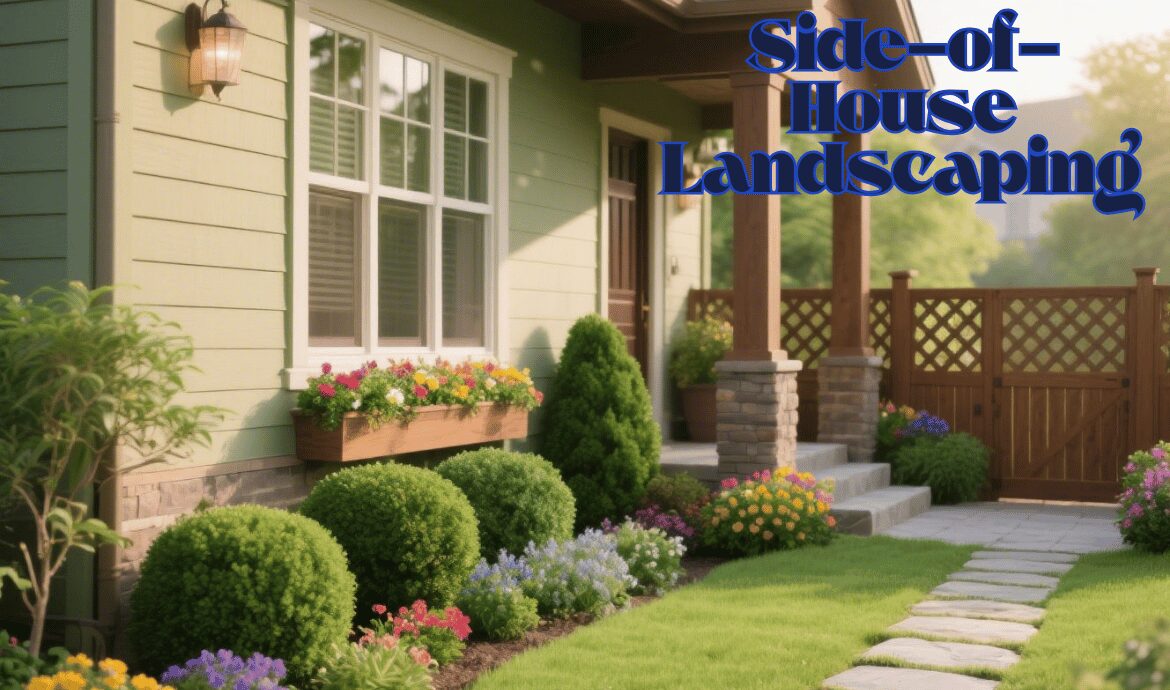
Side-of-house landscaping is often one of the most overlooked elements of outdoor design, yet it holds tremendous potential for both function and beauty. While it may appear as a narrow, transitional strip of land between the front and backyard, this space can be transformed into a purposeful and appealing extension of the home.
Whether you need to improve water drainage, conceal utility units, or simply add curb appeal, side yard landscaping offers endless possibilities for creativity and problem-solving. With smart planning, the side yard can serve as a charming garden path, a quiet retreat, or a productive planting area.
By considering site-specific factors like width, sunlight, and soil condition, homeowners can tailor their designs to suit both their aesthetic preferences and practical needs. From vertical gardens and raised beds to ambient lighting and water features, side yard landscaping presents a unique opportunity to make the most of every square foot of outdoor space.
| Aspect | Details |
| Common Issue | Often overlooked as a transitional or narrow space |
| Purpose | Add functionality, improve aesthetics, enhance property value |
| Challenges Addressed | Drainage, utility concealment, limited space, sunlight variation |
| Potential Features | Garden path, retreat area, vertical gardens, raised beds, lighting, water features |
| Design Considerations | Site-specific factors such as width, sunlight, soil, and purpose |
| Main Benefit | Makes full use of every square foot, turning a bland area into a beautiful, useful space |
Side-of-House Landscaping
Side-of-house landscaping is a valuable opportunity to transform a typically underutilized and narrow space into a functional and visually appealing extension of your outdoor area. Though often overlooked, this strip of land can serve a variety of purposes depending on the homeowner’s needs and the site conditions.
Practical uses include creating a tidy pathway or walkway to connect the front and back yards, installing drainage solutions to manage water runoff, or setting up discreet zones for utility storage such as garbage bins or air conditioning units. Aesthetic enhancements can be achieved through thoughtfully chosen plants, such as shade-tolerant greenery or climbing vines that flourish along trellises and fences, adding both beauty and privacy.
For narrow layouts, vertical gardens or wall planters help maximize limited space, while raised beds offer an ideal solution for poor soil and enhance planting versatility. The inclusion of water features, such as a small fountain or dry creek bed, adds a peaceful ambiance and elevates the charm of the space.
Why Side Yard Landscaping Matters
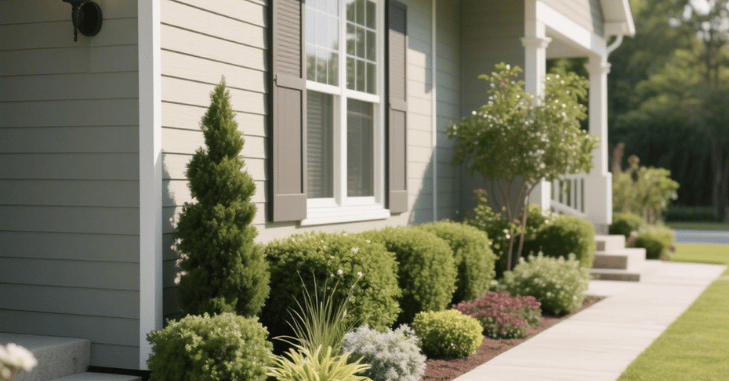
Side yards serve many purposes beyond merely acting as transitional areas between the front and back of a property. With thoughtful design and planning, they can become highly functional and visually appealing spaces. For instance, a well-designed side yard can significantly improve drainage and help prevent water damage to your home’s foundation.
Additionally, these spaces often offer room for extra storage or can be cleverly used to hide utilities such as air conditioners or garbage bins. Beyond practicality, side yards can also add value and curb appeal to your property. They can be transformed into private retreats, cozy garden passages, or lush green corridors that offer a sense of seclusion.
Assessing Space
Before starting, take stock what you’re working with:
- Width of the side yard: Is it wide enough for a walkway or only for a garden bed?
- Sunlight exposure: Is it shaded, partially shaded, or sun-drenched?
- Soil condition and drainage: Does water pool here during rain?
- Purpose: Will the area be functional (like a utility path) or aesthetic (like a garden)?
Understanding these factors will help determine what materials, plants, and features are most suitable.
Landscaping Design Ideas
| Feature | Description | Examples/Elements |
| Pathways & Walkways | Creates a functional transition area; improves drainage and access. | Gravel, pavers, stepping stones, concrete, edging |
| Vertical Gardens | Ideal for narrow spaces; adds greenery without using ground space. | Wall-mounted planters, trellises, lattice screens, green walls |
| Raised Beds & Gardens | Great for poor soil or limited space; ideal for tailored plantings based on light conditions. | Herbs, shade-loving perennials, dwarf trees, low-maintenance shrubs |
| Water Features | Adds tranquility and visual interest to the side yard. | Small fountain, trickling stream, river rocks, ferns |
| Utility Concealment | Hides unsightly structures; keeps the yard neat and organized. | Lattice panels, slatted wood screens, tall shrubs, storage sheds or boxes |
Choosing the Right Plants
Plant selection is crucial, especially since side yards often have unique microclimates. Here are suggestions based on sun exposure:
Full Sun Areas
- Lavender
- Salvia
- Rosemary
- Boxwood
- Ornamental grasses
- Coneflower
Partial Shade
- Hostas
- Hydrangeas
- Coral Bells
- Astilbe
- Japanese Forest Grass
Full Shade
- Ferns
- Hellebores
- Lungwort
- Foamflower
- Ivy (with caution due to invasiveness)
Remember to account for height and spread, you don’t want plants obstructing pathways or growing into the side of the house.
Lighting the Side Yard
Outdoor lighting not only enhances safety but also adds ambiance:
- Solar path lights: Simple and eco-friendly.
- String lights: Romantic and fun for wider areas.
- Wall sconces: Mounted directly to the house for a clean look.
- Motion sensor lights: For added security.
Lighting also highlights architectural features or garden accents, making the space feel intentional and welcoming.

Dealing with Common Challenges
One of the primary issues with side yard landscaping is drainage, as these areas often become natural runoff zones where water collects during heavy rains. To manage this, homeowners can install French drains to redirect water flow, build a dry creek bed for aesthetic and functional water management, or use gravel and permeable pavers that allow water to seep into the ground. Planting water-loving species can also help absorb excess moisture and prevent pooling.
Another common challenge is limited sunlight, especially if the side yard is flanked by tall structures or fences. In such cases, choosing shade-tolerant plants is essential. Adding reflective surfaces, like light-colored gravel or stone, can help bounce available light around the space, while solar-powered lights can enhance both visibility and ambiance during the evening hours.
For yards with a narrow layout, maximizing vertical space becomes key. Incorporating climbing plants on trellises, hanging pots, or even placing slim furniture such as a compact garden bench or plant stand can add depth and visual interest without crowding the area.
Creative Enhancements
Outdoor Art
Add charm and personality with weatherproof art:
- Metal wall art
- Stone sculptures
- Ceramic tiles
Mirror Illusions
Outdoor mirrors can create a sense of depth and light, especially in enclosed or shaded side yards.
Storage Solutions
Use the side yard for discreet storage:
- Vertical bike racks
- Hose hangers
- Slim storage cabinets for garden tools
Long-Term Planning and Maintenance in Side-of-House Landscaping
When planning side-of-house landscaping, it is also important to think about long-term durability and ease of maintenance rather than focusing only on the initial design. Since these narrow spaces often experience heavy runoff, limited airflow, and restricted access, choosing hard-wearing materials like concrete pavers, compacted gravel, or treated timber edging can help the area remain stable and usable over time. Incorporating proper grading at the design stage ensures water naturally flows away from the house foundation, reducing the risk of dampness or structural issues.
Another important consideration is accessibility for maintenance tasks such as cleaning gutters, servicing outdoor units, or trimming plants.
Maintenance Tips
To keep your side yard in top shape:
- Trim plants regularly to avoid overgrowth.
- Clean pathways of moss, leaves, or debris.
- Check for pests and treat them quickly.
- Inspect drainage systems to avoid water damage.
- Re-mulch annually to suppress weeds and retain moisture.
Use native plants where possible to reduce the need for watering and chemical treatments.

Conclusion
Side-of-house landscaping is more than just an afterthought, it’s a strategic opportunity to elevate your property’s functionality, privacy, and visual appeal. When planned with care, even the narrowest or shadiest side yard can be transformed into a delightful space that connects, conceals, and enhances your home’s exterior.
Whether you’re installing drainage solutions, building a green wall, or adding charming walkways, each design element contributes to making the space both beautiful and practical. With the right plants, materials, and maintenance habits, your side yard can become a harmonious blend of structure and serenity.
Want to know about ‘10 Creative Wooden Outdoor Playhouse Ideas to Spark Your Child’s Imagination‘? Check out our ‘Home improvement‘ category.
FAQs
It transforms an often-overlooked space into a functional and attractive extension of your home.
They can serve as pathways, garden beds, utility zones, or private retreats.
Begin by assessing space, sunlight, soil condition, and your goals for the area.
Yes! Vertical gardens, raised beds, and smart lighting can maximize tight spaces effectively.
For more information on ensuring safety and reliability in outdoor spaces, check out Automatic Door Maintenance Ensuring Reliability and Safety.
For more inspiration on enhancing your outdoor spaces, check out The Most Unique White Prom Dresses.