Heat Damaged Hair
Heat damaged Hair occurs when excessive or frequent heat styling weakens the hair’s natural structure, causing dryness, breakage, and loss of shine. Since hair is primarily made of keratin, extreme heat can compromise the cuticle and expose the inner layers, leading to visible damage.
Understanding how heat affects the hair, recognizing early signs of damage, and adopting proper prevention and treatment methods can help maintain healthier, stronger hair. By using safe styling practices, nourishing treatments, and lifestyle habits that support hair health, anyone can protect their hair and restore its natural vitality.
| Category | Description |
| Heat damaged Hair | Structural changes caused by excessive heat, weakening keratin, and damaging the cuticle |
| Hair Structure | Cuticle protects; cortex provides strength; medulla (sometimes absent). |
| Causes of Damage | Frequent styling tools, high temperatures, no heat protectant, wet hair styling, poor care, and the environment. |
| Common Signs | Dryness, split ends, dullness, breakage, styling difficulty, and curl pattern changes. |
| Prevention Tips | Use heat protectants, lower temperatures, dry hair fully, deep condition, and trim regularly. |
| Treatment Options | Deep conditioners, masks, protein treatments, leave-ins, reduced heat use, and professional care. |
| Lifestyle Support | Healthy diet, hydration, stress management, and good sleep habits. |
| Overall Goal | Restore moisture, strengthen hair, and prevent further heat damage. |
Understanding Heat Damage
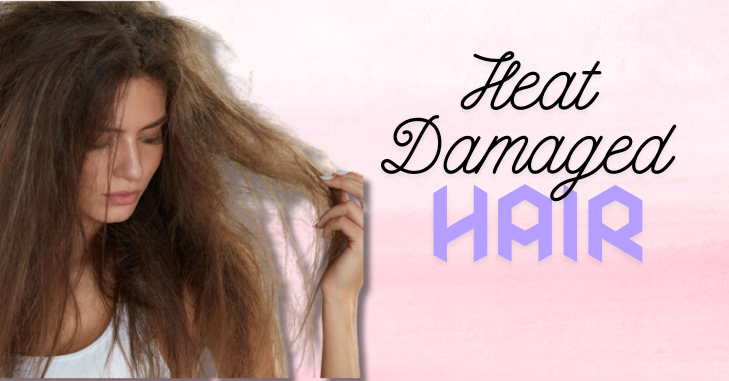
Heat damage occurs when hair is exposed to excessive temperatures, resulting in structural changes to the hair’s protein composition. Hair is primarily made up of a protein called keratin. When exposed to heat beyond its tolerance, the hair cuticle (the outer protective layer) becomes compromised, leading to various visual and structural issues.
The Hair Structure: A Quick Overview
To understand heat damage better, it’s essential to know the basic structure of hair:
- Cuticle: The outermost layer, consisting of overlapping cells like roof shingles. It protects the inner layers and contributes to the hair’s shine.
- Cortex: The middle layer that contains keratin fibers and gives hair its strength, elasticity, and color.
- Medulla: The innermost layer, which is not always present in all hair types, particularly in finer hair.
When heat is applied too frequently or at excessively high temperatures, the cuticle can become damaged, leading to exposure of the cortex and medulla, disrupting the hair’s natural structure.
Common Causes of Heat Damage
Heat damage can stem from several activities and habits that involve using heat styling tools. Understanding these causes can help you make better choices regarding hair care.
Frequent Use of Heat Styling Tools
Regular use of blow dryers, flat irons, and curling wands is the primary cause of heat damage. Each tool operates at different temperatures, but frequent or improper use can lead to cumulative damage.
High Temperatures
Using heat styling tools at excessively high temperatures can significantly increase the risk of damage. Many experts recommend keeping styling tools below 350°F (about 177°C) to minimize the risk.
Lack of Heat Protectants
Not using heat protectant sprays or serums before applying heat can expose hair to damage. These products create a protective barrier, reducing the effects of high temperature on hair.
Wet Hair Styling
Applying heat to damp hair can cause extreme damage. Water in the hair shaft expands when heated, leading to steam and potential breakage. Always ensure hair is completely dry before styling.
Inadequate Hair Care
Poor hair care practices, such as infrequent washing, skipping conditioning, or not trimming split ends, can leave hair more susceptible to heat damage. Healthy hair is more resilient against heat.
Environmental Factors
Exposure to sun, wind, and humidity can weaken hair, making it more vulnerable to heat damage. Environmental stressors can strip moisture and lead to excessive dryness.
Signs and Symptoms of Heat Damage
Recognizing the signs and symptoms of heat-damaged hair early can prevent further complications and allow for timely intervention. Here are some common indicators:
Dryness and Brittle Texture
Heat-damaged hair often feels dry and rough to the touch. The cuticle can lift, leading to a lack of moisture retention and contributing to a brittle texture.
Split Ends
Split ends are a classic sign of heat damage. When the cuticle is compromised, the hair strand can fray and split, leading to further damage if not addressed.
Loss of Shine
Healthy hair reflects light, giving it a natural shine. Heat damage results in a dull appearance, as the outer cuticle layer becomes rough and less able to reflect light.
Difficulty in Styling
Heat-damaged hair can be challenging to style, often lacking the elasticity needed to hold curls or straightness. This can result in styles falling flat or not lasting long.
Increased Breakage
When hair is heat-damaged, it becomes weaker, resulting in increased breakage. You may notice more strands falling out or breaking off during routine brushing or styling.
Change in Curl Pattern
For those with naturally curly hair, heat damage can relax curls and alter their natural pattern. This may lead to frustration and disappointment regarding styling.
Prevention Tips for Heat Damage
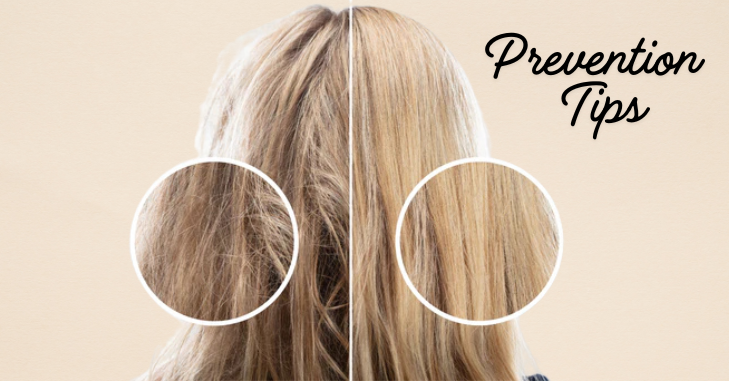
Preventing heat damage is key to maintaining healthy hair. Here are essential tips to protect your locks:
Use Heat Protectants
Always apply a heat protectant before using any styling tools. Look for products that contain silicones and other protective agents that coat the hair shaft and reduce direct heat exposure.
Limit Heat Styling
Reduce the frequency of heat styling tools. Try to embrace natural hairstyles whenever possible and reserve heat styling for special occasions.
Choose the Right Temperature
Use heat styling tools at the lowest effective temperature. For fine or damaged hair, aim for 300°F (about 149°C), while thicker hair may tolerate up to 350°F (about 177°C).
Dry Hair Properly
Ensure hair is completely dry before styling. If you must use heat on damp hair, invest in a high-quality blow dryer that reduces heat damage through advanced technology.
Incorporate Regular Conditioning
Use deep-conditioning treatments regularly to keep hair hydrated and healthy. Look for products that contain natural oils, proteins, and other nourishing ingredients.
Get Regular Trims
Regular trims help remove dead ends and prevent split ends from traveling up the hair shaft. Aim for a trim every six to eight weeks.
Be Mindful of Environmental Damage
Protect your hair from environmental factors by wearing hats or scarves in strong sunlight and using leave-in conditioners with UV protection when outdoors.
Balance Your Hair Care Routine
Implement a balanced hair care routine, including regular washing, conditioning, and treatment masks. Avoid over-washing, which can strip natural oils.
Treatment for Heat-Damaged Hair

If you’re already experiencing heat-damaged hair, don’t despair. There are effective treatments and remedies to restore your hair’s health.
1. Deep Conditioning Treatments
Invest in intensive deep conditioners formulated for damaged hair. Look for ingredients such as:
- Keratin: Helps rebuild the hair structure.
- Argan Oil: A natural moisturizer that adds shine and hydration.
- Shea Butter: Provides intensive repair and moisture retention.
2. Hair Masks
Super moisturizing hair masks can restore moisture and nutrients. Consider DIY masks made from natural ingredients like honey, yogurt, and avocados for added nourishment.
3. Protein Treatments
Protein treatments can strengthen weakened hair. However, avoid overusing them, as too much protein can lead to stiffness. Follow product instructions carefully.
4. Use Leave-In Conditioners
Leave-in conditioners can provide ongoing moisture and protection throughout the day. They help in detangling and protecting hair against additional damage.
5. Minimize Heat Styling
While treating heat-damaged hair, minimize heat styling to allow strands to recover. Embrace natural hairstyles or use heat-free methods for styling.
6. Seek Professional Help
If the damage is severe, consider consulting a professional hairstylist or trichologist. They can assess the damage and recommend specialized treatments for recovery.
Lifestyle Changes for Healthy Hair

Beyond direct hair care, adopting a healthy lifestyle can significantly impact your hair’s vitality and resilience.
Balanced Diet
Nutrition plays a pivotal role in hair health. Ensure your diet includes:
- Proteins: Vital for keratin production (lean meat, fish, eggs).
- Omega-3 Fatty Acids: Promote scalp health (walnuts, flaxseeds, fatty fish).
- Vitamins: Ensure adequate intake of vitamins A, C, D, E, and Biotin for hair growth.
Stay Hydrated
Proper hydration is crucial for maintaining moisture in your hair. Aim for at least eight glasses of water a day to keep hair follicles nourished.
Manage Stress
Chronic stress can lead to hair thinning and loss. Incorporate stress management techniques such as yoga, meditation, or regular exercise to support overall health.
Sleep Hygiene
Good sleep hygiene influences hair health. Aim for 7-9 hours of quality sleep each night, as this is when your body repairs and rejuvenates itself.
Conclusion
Heat-damaged hair is a common concern resulting from modern hairstyling practices. Understanding its causes, recognizing the signs, and implementing prevention techniques can empower individuals to maintain healthier and more resilient hair.
By adopting a comprehensive approach, including proper hair care, effective treatments, and a healthy lifestyle, individuals can combat the effects of heat damage and embrace their natural beauty.
Remember that healthy hair is not just about avoiding heat but also nurturing and caring for it holistically. With time, patience, and the right practices, you can rehabilitate heat-damaged hair and enjoy vibrant, healthy locks once more.
Want to know about Red Carpet Outfits: An Overview of Evolution, Iconic Red-Carpet Moments, Trends, And Much More Check out our Fashion category.
FAQs
Using products that are designed to nourish the scalp and hair can definitely speed up this process, but on average, you’d be looking at six months to a year to fully see a difference in your hair’s condition.
Using an oil soak is one of the best ways to repair heat-damaged hair. You can use jojoba oil or olive oil, both of which contain fatty acids that promote stronger strands and keep them moisturised.
Coconut oil is a great ingredient to implement into your hair routine because it has nourishing fatty acids, which help moisturize and strengthen the hair and prevent breakage,” says Fitzsimons. According to research, coconut oil actually reduces protein loss in both damaged and undamaged hair.
Common causes of heat damage include frequent use of heat styling tools. For more details on this topic, check out The Most Common Traffic Violations and How to Avoid Them.
Common causes of heat damage include frequent use of heat styling tools. For more details on this topic, you can check out The Most Common Traffic Violations and How to Avoid Them.
Common causes of heat damage include frequent use of heat styling tools. For more details on this topic, you can check out The Most Common Traffic Violations and How to Avoid Them.
For more on maintaining the reliability and safety of other aspects of your life, check out our guide on Automatic Door Maintenance.
Frequent use of Heat Styling Tools is one of the common causes of Heat Damage. For more information on this topic, please visit Role of Employee Rewards and Recognition in Business.
For more tips on maintaining healthy hair and avoiding heat damage, check out Heat Damaged Hair: A Complete Guide.