Red Carpet Outfits
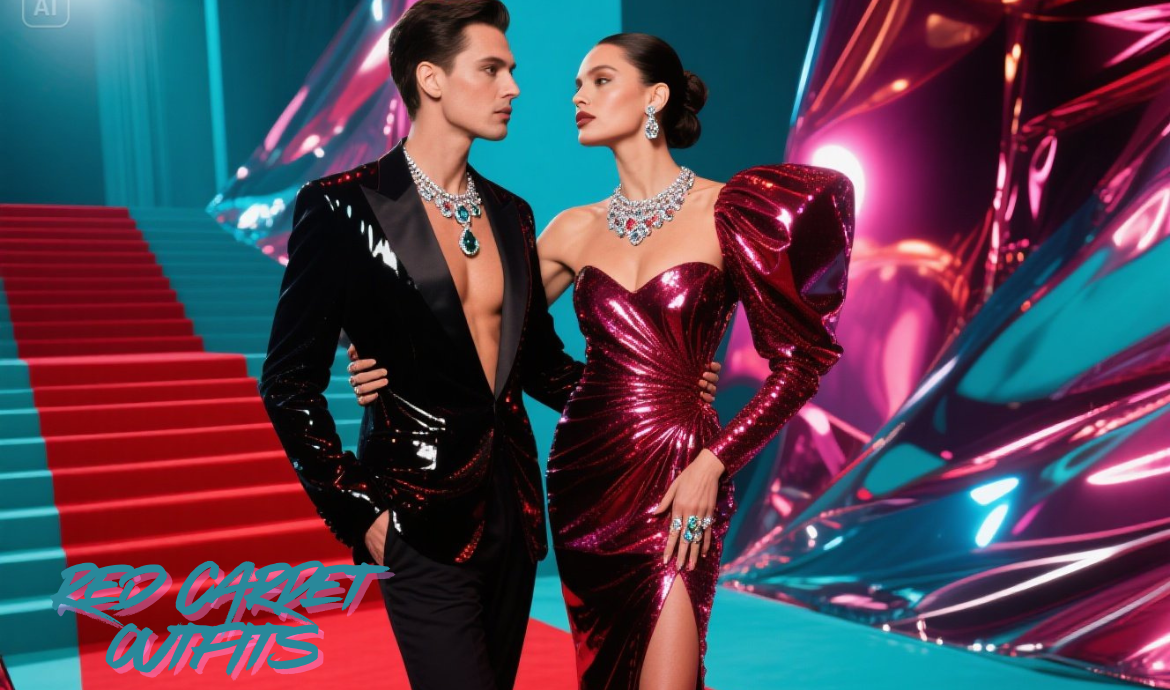
Red Carpet Outfits have long been a symbol of glamour, creativity, and cultural expression. From the golden age of Hollywood to today’s inclusive and innovative era, these iconic ensembles go beyond fashion—they tell stories of identity, empowerment, and societal change.
The red carpet has evolved from a simple stage for celebrity appearances to a global platform where style meets advocacy, sustainability, and self-expression. Understanding this evolution—from timeless classics to bold modern statements—reveals how red carpet fashion continues to reflect shifting cultural values, inspire trends, and redefine beauty standards around the world.
| Section | Key Points |
| The Evolution of Red Carpet Fashion | Originated in ancient Greece; became a Hollywood tradition in the 1920s; evolved from classic glamour to diverse and expressive styles. |
| Iconic Red Carpet Moments | Memorable looks from Cher, Lupita Nyong’o, and Billy Porter showcase self-expression, cultural pride, and gender fluidity. |
| Trends in Red Carpet Fashion | Includes sustainability, gender-fluid styles, bold colors/patterns, and minimalist elegance reflecting modern aesthetics. |
| Cultural Significance | Red carpet fashion highlights diversity, representation, and activism—mirroring social and political movements like Time’s Up. |
| The Future of Red Carpet Fashion | Focus on sustainability, inclusivity, social media influence, and fashion as a platform for activism and individuality. |
| Conclusion | Red carpet outfits reflect evolving cultural narratives, blending beauty, identity, and social consciousness in powerful ways. |
The Evolution of Red Carpet Fashion
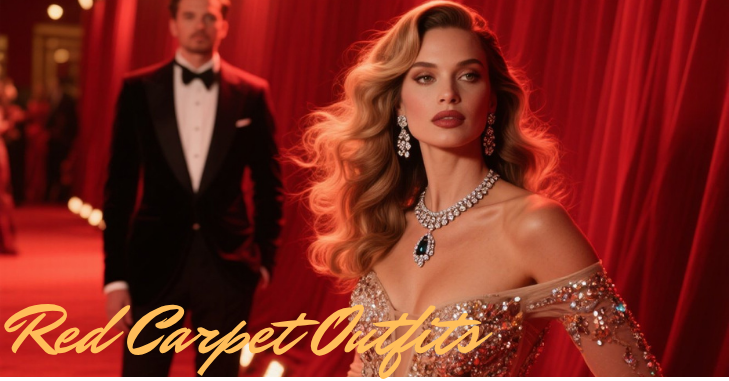
The concept of the red carpet dates back to ancient Greece, where it was used to welcome dignitaries and royalty. However, the modern iteration of the red carpet phenomenon began in the early 20th century. The first known red carpet event occurred at the 1922 premiere of “Robin Hood,” with stars like Douglas Fairbanks and Mary Pickford gracing the carpet in elegant attire. This marked the beginning of a new tradition, where film premieres became social events where fashion took center stage.
As Hollywood evolved, so did the fashion presented on the red carpet. The 1950s and 1960s heralded a golden age of glamour, with stars like Audrey Hepburn and Grace Kelly setting the standard for elegance. Hepburn’s iconic Givenchy dress in “Breakfast at Tiffany’s” became a symbol of timeless style, influencing generations to come. The 1970s introduced a more relaxed approach, with celebrities opting for bohemian styles and vibrant colors that reflected the cultural shifts of the era.
The 1980s and 1990s saw the rise of designer fashion on the red carpet, with stars collaborating with renowned fashion houses. This period was characterized by bold silhouettes, extravagant embellishments, and the emergence of supermodels. Iconic moments from this era include Jennifer Lopez’s breathtaking Versace gown at the 2000 Grammy Awards, which pushed boundaries and sparked conversations about fashion and celebrity culture.
As the 21st century approached, the red carpet began to embrace diversity, with a wider range of designers and styles being represented. Celebrities started to use their platform to advocate for social causes, often choosing outfits that reflected their beliefs and values. This shift not only changed the way red carpet fashion was perceived but also highlighted the importance of representation in the industry.
Iconic Red Carpet Moments
- Throughout the decades, numerous red carpet moments have etched themselves into the annals of fashion history. These moments not only showcased stunning outfits but also marked significant cultural shifts, making them memorable for reasons beyond mere aesthetics.
- One of the most iconic red carpet moments occurred at the 1998 Academy Awards when Cher donned a daring, sequined black gown designed by Bob Mackie. The outfit featured an intricate feathered headdress, cementing Cher’s status as a fashion icon and challenging conventional norms of beauty and femininity. This moment exemplified how the red carpet can be a canvas for self-expression.
- Another unforgettable moment came in 2015 when Lupita Nyong’o wore a stunning pearl-adorned Calvin Klein gown to the Oscars. The dress was not only visually striking but also symbolized Nyong’o’s rise to prominence in Hollywood. Her choice of attire celebrated her heritage and showcased the power of fashion in conveying identity.
- In recent years, the Met Gala has emerged as a significant red carpet event that pushes the boundaries of fashion. The 2019 theme, “Camp: Notes on Fashion,” produced a myriad of standout looks, including Billy Porter’s theatrical ensemble that featured wings and a gold body suit. This moment was not only a celebration of flamboyant fashion but also a powerful statement on gender and self-expression.
Trends in Red Carpet Fashion
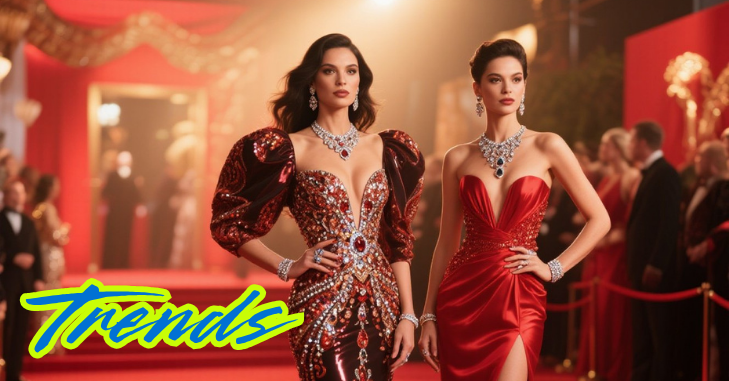
Red carpet fashion is not just about individual outfits; it reflects broader trends in the fashion industry. Each year brings new styles and themes that influence how celebrities choose to present themselves.
Sustainable Fashion
In recent years, there has been a significant shift towards sustainability in fashion. Many stars are now opting for eco-friendly designers or wearing vintage pieces. This trend not only highlights the importance of environmental consciousness but also encourages a more thoughtful approach to fashion consumption.
Gender Fluidity
The red carpet has increasingly become a space for challenging traditional gender norms. Celebrities like Billy Porter and Harry Styles have embraced gender-fluid fashion, showcasing outfits that defy conventional boundaries. This shifting perspective encourages inclusivity and celebrates individuality, allowing more people to express themselves freely.
Bold Colors and Patterns
Vibrant colors have made a comeback, with celebrities often choosing eye-catching hues that stand out on the red carpet. Patterns, too, have gained popularity, with floral designs and geometric prints making appearances. This trend reflects a desire for joy and creativity in fashion, moving away from the more muted palettes of previous years.
Minimalism
While bold statements are making waves, minimalism continues to hold a place in red carpet fashion. Clean lines, simple silhouettes, and understated elegance can be seen in the ensembles of stars like Emma Stone and Rooney Mara. This trend emphasizes the idea that less can be more, allowing the wearer’s natural beauty to shine through.
The Cultural Significance of Red Carpet Fashion
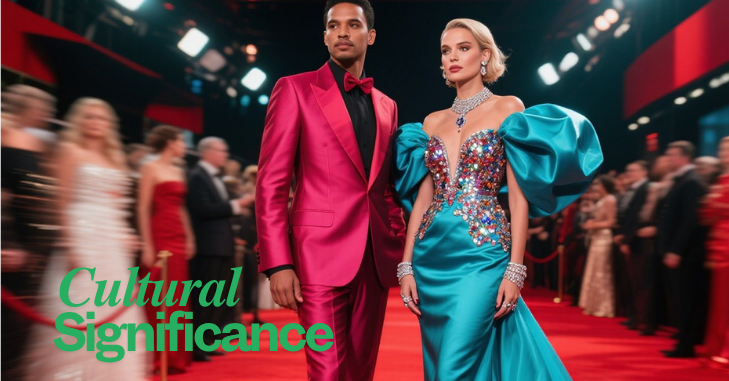
Red carpet events are not merely about showcasing beautiful outfits; they carry significant cultural weight. These moments reflect societal values, trends, and shifts in public perception. Fashion on the red carpet often intersects with issues of diversity, representation, and empowerment.
The representation of various body types and ethnicities has become a crucial topic in recent years. The increased visibility of diverse designers and models on the red carpet signifies a broader acceptance of different forms of beauty. Celebrities like Mindy Kaling and Janelle Monáe have used their platform to advocate for inclusivity, pushing for a more representative fashion industry.
Moreover, red carpet fashion often serves as a commentary on social and political issues. Celebrities frequently use their outfits to make statements, whether it’s through the choice of designers or the incorporation of activist symbols. For instance, at the 2018 Golden Globes, many stars wore black in solidarity with the Time’s Up movement, highlighting the fight against sexual harassment in Hollywood.
The red carpet also acts as a mirror to societal changes. Fashion choices often reflect the current cultural climate, with trends evolving alongside shifts in public sentiment. For example, the rise of body positivity has influenced many celebrities to embrace their natural shapes, challenging long-standing beauty standards.
The Future of Red Carpet Fashion
As we look ahead, the future of red carpet fashion is likely to continue evolving in response to societal changes and emerging trends. The increasing emphasis on sustainability suggests that more celebrities will choose to wear eco-friendly designs, pushing the fashion industry to adapt and innovate.
Additionally, the ongoing conversations surrounding gender fluidity will likely influence red carpet choices, encouraging a broader acceptance of diverse styles. As the lines between traditional gender norms blur, we can expect to see more experimental and innovative outfits that celebrate individuality.
The role of social media in shaping red carpet fashion cannot be understated. Platforms like Instagram and TikTok allow for real-time engagement, enabling fans to participate in the conversation surrounding celebrity fashion. This democratization of fashion means that trends can emerge from various sources, not just the traditional fashion houses.
Moreover, as the world grapples with ongoing social issues, we may see a continued emphasis on activism and representation on the red carpet. Celebrities may increasingly use their platform to elevate marginalized voices and advocate for social change, making the red carpet not just a fashion event, but a powerful stage for dialogue.
Conclusion
Red carpet outfits are more than just beautiful garments; they are a reflection of cultural values, societal shifts, and individual expression. From the early days of Hollywood glamour to the dynamic and diverse styles of today, the evolution of red carpet fashion is a fascinating journey. Iconic moments have shaped our understanding of beauty and self-expression, while emerging trends continue to challenge norms and inspire creativity.
As we move forward, the red carpet will undoubtedly remain a significant platform for showcasing not only fashion but also the evolving narratives surrounding identity and representation. Whether it’s through bold statements, sustainable choices, or the celebration of diversity, red carpet fashion will continue to captivate audiences and inspire generations to come.
Want to know about How to Know if Your Suit Fits Just Right Check out our Fashion category.
FAQs
Classic Black: Timeless and elegant, black dresses are a popular choice for their slimming effect and the dramatic contrast they provide against the red carpet.
Traditionally, the dress code for the red carpet is highly regulated, with men required to wear black tuxedos and women expected to don elegant ball gowns. However, over the years, the rules have become less strict, with celebrities opting for more casual and sometimes unconventional outfits.
Furniture in shades like cream, beige, gray, or white pairs perfectly with red carpets. These colors naturally create a calming ambiance and allow the red carpet to stand out as the focal point.
Focus on Fit: Celebrities always look put together because their clothes fit perfectly. Tailored clothes, even if they’re not designer, can make a huge difference. Make sure your clothes fit well, and don’t be afraid to get alterations if needed.