Introduction
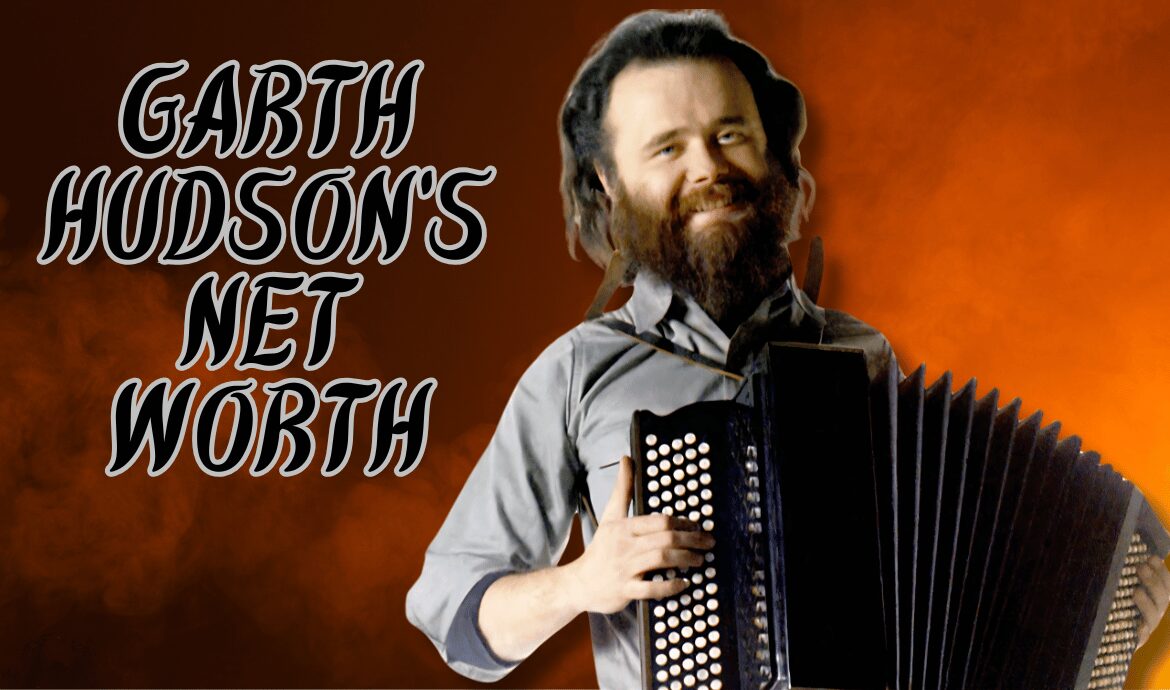
Garth Hudson, born on August 2, 1937, in Windsor, Ontario, was a classically trained organist and multi-instrumentalist whose musical genius deeply shaped the iconic sound of The Band. Raised in a musically enriched household, Hudson drew inspiration from classical composers like Bach and Beethoven, as well as gospel traditions.
Integrating his profound academic knowledge with jazz, rock, and folk, Hudson revolutionized the role of keyboards in popular music. His estimated net worth stands at approximately $250,000, reflecting a career driven by authenticity and innovation rather than commercial fame. He notably supported Bob Dylan during his groundbreaking electric tour and composed the exemplary instrumental piece “Genetic Method.”
Hudson’s legacy is marked by intricate arrangements and collaborations with renowned artists such as Leonard Cohen and Norah Jones. Known for his eccentric style, intellectual demeanor, and reclusive nature, he was revered for his quiet brilliance. Despite financial difficulties in later years, Garth Hudson remains an enduring symbol of artistic purity and a revered icon in the history of rock and roll.
| Key Aspect | Details & Highlights |
| Full Name | Garth Hudson |
| Birth | August 2, 1937, Windsor, Ontario, Canada |
| Net Worth | Approximately $250,000 |
| Financial Profile | Modest net worth; income derived from royalties, live performances, session work, and soundtrack contributions |
| Early Life | Classically trained in piano and organ; influenced by Bach, Beethoven, gospel, jazz, and early rock |
| Role in The Band | Founding member; technical innovator; musical anchor; arranger and sound designer |
| Key Instruments | Tenor saxophone, synthesizer, clavinet, accordion, piano, Lowrey organ |
| Notable Works | Instrumental “Genetic Method”; albums including Music from Big Pink, The Band, Stage Fright, and The Last Waltz |
| Solo Career | Explored experimental and instrumental music (The Sea to the North); collaborations and guest appearances |
| Personality | Reclusive, introverted, humble, gentle, kind; encyclopedic musical knowledge; avoided the spotlight |
| Eccentric Style | Distinctive long beard; layered clothing featuring scarves, hats, and robes; scholarly appearance |
| Physical Appearance | Height: ~5’10” (178 cm); medium build; blue eyes; long gray/white hair in later years |
| Awards & Honors | Rock & Roll Hall of Fame induction (1994) with The Band; Grammy Lifetime Achievement Award |
| Personal Life | Married to Maud Hudson; lived quietly and collaborated artistically |
| Legacy | Blended classical and jazz with rock; renowned for technical skill, sincerity, and artistic integrity |
| Public Perception | Respected for humility, intellect, and dedication to musical tradition |
| Death | He passed away at age 87 |
Early Life and Musical Foundations
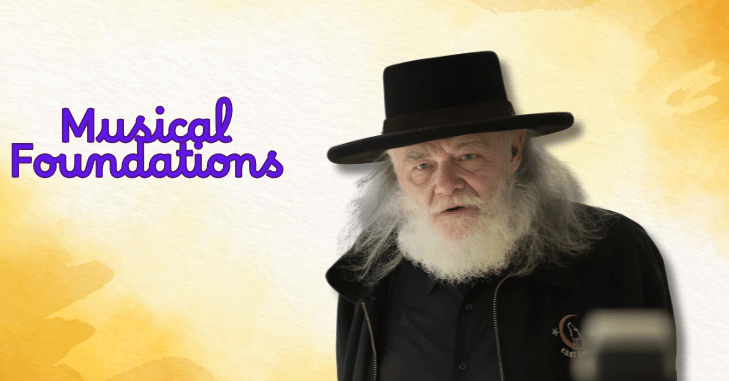
Born on August 2, 1937, in Windsor, Ontario, Canada, Garth Hudson was immersed in music from an early age. Growing up in a musically enriched household, he received classical training in piano and organ. Hudson’s early exposure to composers such as Bach and Beethoven, alongside gospel music, profoundly influenced his signature musical style.
During his adolescence, Hudson expanded his musical interests beyond classical roots, embracing jazz, rhythm and blues, and the emerging sounds of rock and roll. His strong foundation in music theory and history provided him with a sophisticated compositional understanding rarely found in rock musicians of his era.
Garth Hudson’s Net Worth
Garth Hudson’s estimated net worth is about $250,000. While this figure is modest compared to some of his classic rock contemporaries, it reflects a career devoted to musical creativity and integrity over commercial success.
His income sources have largely come from royalties earned through his work with The Band, as well as solo projects and collaborations with iconic musicians such as Bob Dylan, Van Morrison, and Leonard Cohen. Additionally, Hudson performed in numerous live concerts, both as part of The Band and as a solo artist, further contributing to his earnings.
Hudson also contributed to film and documentary soundtracks and participated in various session recordings. Nevertheless, his understated lifestyle and minimal commercial self-promotion likely impacted his overall financial gains.
In recent years, Hudson encountered financial difficulties, leading to benefit concerts and fundraising initiatives organized by his peers and devoted fans to offer support.
Financial Overview
| Income Source | Details |
| Music Royalties | Revenue from albums with The Band, solo work, and extensive collaborations |
| Live Performances | Tours and concerts, both solo and with The Band |
| Session Work | Contributions to albums by Bob Dylan, Van Morrison, Leonard Cohen, among others |
| Soundtrack and Film Work | Original scores and contributions to movies and documentaries |
| Teaching & Appearances | Occasional workshops, interviews, and guest lectures |
| Fan & Peer Fundraising | Support received during financial hardships |
Despite such financial challenges, Garth Hudson’s net worth mirrors a lifetime of purpose, musical innovation, and unwavering authenticity in his craft.
Joining The Band: The Rise to Fame
Hudson’s musical breakthrough occurred in the early 1960s when he joined “The Hawks,” the backing band for rockabilly star Ronnie Hawkins. Alongside future Band members Robbie Robertson, Levon Helm, Richard Manuel, and Rick Danko, Hudson contributed organ, saxophone, and various other instruments.
By 1964, The Hawks separated from Hawkins and evolved into their own group, eventually becoming “The Band.” Their significant exposure came when Bob Dylan selected them as his backing band during his controversial electric tour from 1965 to 1966, elevating their profile considerably.
Notable Contributions with The Band
- Co-developed The Band’s signature Americana and roots rock sound
- Arranged sophisticated keyboard and organ parts blending classical, gospel, and folk elements
- Contributed to seminal albums such as Music from Big Pink, The Band, and Stage Fright
- Played a vital role in the landmark concert and film, The Last Waltz
Garth Hudson’s Role and Contributions

Within The Band, Hudson was the musical anchor and technical mastermind. Widely considered one of the most accomplished keyboardists in rock history, he infused their sound with intricate arrangements and layered textures.
Key Instruments Played
- Lowrey organ
- Piano
- Accordion
- Clavinet
- Tenor saxophone
- Synthesizer (introduced in later years)
Highlights
Hudson was renowned for his extraordinary improvisational ability and talent for weaving classical motifs into rock compositions, creating The Band’s distinctive sound. He was often the group’s arranger and sound designer, crafting intricate keyboard lines that enriched their musical palette.
His instrumental piece “Genetic Method” remains a testament to his virtuosity and sophisticated musical knowledge. Additionally, Hudson played a mentorship role within the band, teaching music theory to his fellow members, significantly elevating their musicianship beyond typical rock standards of that period.
Garth Hudson’s Songs
While primarily celebrated for his instrumental contributions, Garth Hudson also composed and performed several notable songs demonstrating his innovative artistry. His organ improvisation “Genetic Method” frequently served as an intro to “Chest Fever” during live concerts, spotlighting his classical training and experimental approach.
Though seldom a lead vocalist, Hudson’s compositions and instrumental solos were core to The Band’s sound, blending diverse influences from rock, jazz, classical, and soul.
In his solo work, especially on the album The Sea to the North, Hudson delved into avant-garde and cinematic music styles, reinforcing his reputation as a musical innovator transcending genre conventions.
Solo Career and Collaborations
After The Band’s disbandment in 1976, and again following their 1980s reunion, Hudson continued producing music quietly, away from mainstream exposure.
Notable Solo Projects and Collaborations
- Collaborations with Norah Jones, Los Lobos, Leonard Cohen, and other luminaries
- Guest performances in tribute concerts and musical documentaries
Unlike some rock veterans who pursued commercial solo stardom, Hudson remained focused on artistic exploration and supporting fellow musicians.
Garth Hudson’s Unique Personality
Known for his reclusive and introverted nature, Hudson differed markedly from many rock icons. He seldom granted interviews and deliberately avoided the limelight, preferring his music to communicate his vision.
Celebrated for his encyclopedic knowledge of music and history, Hudson was regarded as an intellectual powerhouse within The Band. Peers described him as gentle, humble, and kind-hearted, earning respect and affection from collaborators.
This private, reserved demeanor intensified in later years, enhancing the mystique around him. Hudson’s quiet gravitas continues to inspire admiration as a symbol of pure artistic integrity.
His Eccentric Style and Physical Appearance

Hudson’s unique visual persona set him apart throughout his career. A signature long, flowing beard became an iconic feature. His wardrobe was eclectic and layered, often incorporating scarves, hats, and robes, evoking an old-world, scholarly vibe.
This distinctive style complemented his classical training and intellectual aura, highlighting his embrace of individuality and rejection of standard rock star images.
| Feature | Description |
| Age | Born August 2, 1937 – Passed away at age 87 |
| Height | Approximately 5’10” (178 cm) |
| Weight | Approximately 170 lbs (77 kg) |
| Build | Medium build |
| Hair | Long, often gray or white in later years |
| Eye Color | Blue |
| Facial Hair | Distinctive full and flowing beard |
| Clothing Style | Eccentric, layered, frequently scarves and hats |
| Notable Accessories | Occasional glasses; scholarly and artistic appearance |
| Overall Aesthetic | Old-world, intellectual, artistically unique |
Awards, Honors, and Legacy
Though he maintained a low profile, Hudson’s significant contributions have earned widespread recognition.
Key Awards and Recognitions:
- Inducted into the Rock and Roll Hall of Fame (1994) with The Band
- Recipient of the Grammy Lifetime Achievement Award as a member of The Band
- Named among the Top 100 Keyboardists by multiple renowned music publications
Hudson is credited with redefining the keyboard’s role in rock music, blending classical and jazz elements to enrich the genre’s sonic landscape.
Garth Hudson’s Influence on Modern Keyboard Players
Garth Hudson’s innovative approach to keyboard performance continues to shape the work of musicians across multiple genres. Rather than using the organ solely as a background instrument, he treated it as a lead voice capable of creating atmosphere, emotion, and complex musical textures.
His combination of classical technique, improvisation, and roots music inspired generations of keyboardists in rock, folk, Americana, and progressive music. Many contemporary performers and producers still reference Hudson’s arrangements and improvisational style as examples of how keyboards can enhance storytelling within a song while maintaining musical sophistication.
Personal Life and Public Perception
Garth Hudson was married to Maud Hudson, a singer and artist often involved in his musical projects. They led a quiet life together until her passing in 2022, collaborating both personally and artistically.
The public regards Hudson with high esteem for his technical skill, sincerity, and steadfast dedication to artistic authenticity.
He earned respect and admiration for his unwavering commitment to musical tradition, masterfully blending classical influences with rock to elevate the genre. Despite his exceptional talent, Hudson remained humble and consistently avoided egotism and the spotlight.
Conclusion
Garth Hudson’s life and legacy stand as a testament to the power of quiet genius in an entertainment world often dominated by showmanship. As the last surviving member of The Band, Hudson remains a living link to an era when authenticity and musical skill were paramount.
His deeply intellectual approach, eccentric style, and humble demeanor have established him as an enduring icon among fans and fellow musicians. While his net worth of approximately $250,000 may seem modest compared to other rock legends, this reflects a lifetime dedicated to artistic purity over financial gain.
Hudson’s profound influence on the fusion of rock, folk, classical, and jazz continues to inspire musicians worldwide. His story underscores the truth that true artistry often flourishes not under the spotlight but through the quiet mastery of those who let their music speak for itself.
Additionally, if you are interested in learning about “Kash Patel’s Net Worth: A Comprehensive Overview of the FBI Director’s Wealth, Investments,” please visit our “Entertainment” category for more insightful content.
FAQs
Hudson is best known as a founding member of The Band and has collaborated with legendary artists including Bob Dylan, Van Morrison, Leonard Cohen, and Norah Jones.
Hudson revolutionized the role of keyboards in rock music by introducing classical and jazz influences, inspiring countless musicians across genres and generations.
Known for the evocative and varied sounds produced on his Lowrey organ, he was affectionately nicknamed “Honey Boy.”
Garth Hudson’s innovative blending of classical training with rock and roll not only transformed the sound of The Band but also influenced the broader landscape of modern music. His mastery of multiple instruments and his pioneering use of the Lowrey organ added unparalleled depth and creativity to many classic recordings. Musicians and producers continue to study his techniques for inspiration while fans celebrate his distinctive style and contributions at tribute events, music festivals, and through ongoing revivals of The Band’s enduring catalog. Hudson’s commitment to musical excellence and artistic integrity has solidified his place as one of the most influential keyboardists in rock history, making his legacy vital for contemporary and future music enthusiasts alike.
His eccentric Style and Physical Appearance
His eccentric style, a reflection of his musical genius, can be further appreciated in his choice of white prom dresses as seen here.