Knowing About The Epoxy Floor Cost
Epoxy flooring is a durable, long-lasting surface created by combining resin and hardener, ideal for garages, basements, and commercial spaces. The cost of an epoxy floor ranges from $3 to $12 per square foot, depending on size, type, and labor requirements. Options include solid, metallic, and flake epoxy, each offering strength, chemical resistance, and visual appeal.
Premium brands like Rust-Oleum, Quikrete, and Armstrong ensure quality finishes. Proper surface preparation and skilled installation extend the floor’s lifespan to 10–20 years. Understanding the factors that influence Epoxy floor cost helps homeowners and businesses plan budgets while enhancing property value, safety, and functionality.
| Basics | Details |
| Epoxy Flooring | Durable resin-hardener surface for homes and warehouses. |
| Premium Brands | Rust-Oleum, Quikrete, and Armstrong ensure a quality finish. |
| Area Size | Larger areas increase material and labor costs. |
| Surface Prep | Grinding, patching, and leveling are required for adhesion. |
| Solid Epoxy | $3–$7/sq ft, smooth, low-maintenance, ideal for garages. |
| Metallic Epoxy | $7–$12/sq ft, reflective, luxury look, pro installation needed. |
| Flake Epoxy | $5–$10/sq ft, slip-resistant, hides flaws, long-lasting. |
| Labor Costs | $2–$5/sq ft, extra $1–$3 for metallic or flake designs. |
| Tools | Rollers, squeegees, mixers, grinders, diamond discs. |
| Prep Importance | Prevents peeling and bubbling, ensuring durability. |
| Maintenance | Clean with mild detergent, topcoat every 3–5 years. |
| Repair Costs | Minor chips $20–$50, ensures long life. |
| Longevity | Resists chemicals, moisture, and abrasion; lasts 10–20 years. |
| Cost Comparison | Cheaper than concrete ($4–$8), more durable than vinyl ($2–$5). |
| Extras | Primers, pigments, and moisture barriers add to the cost. |
| Value | Long-lasting, low upkeep, improves property appeal. |
Understanding Epoxy Flooring
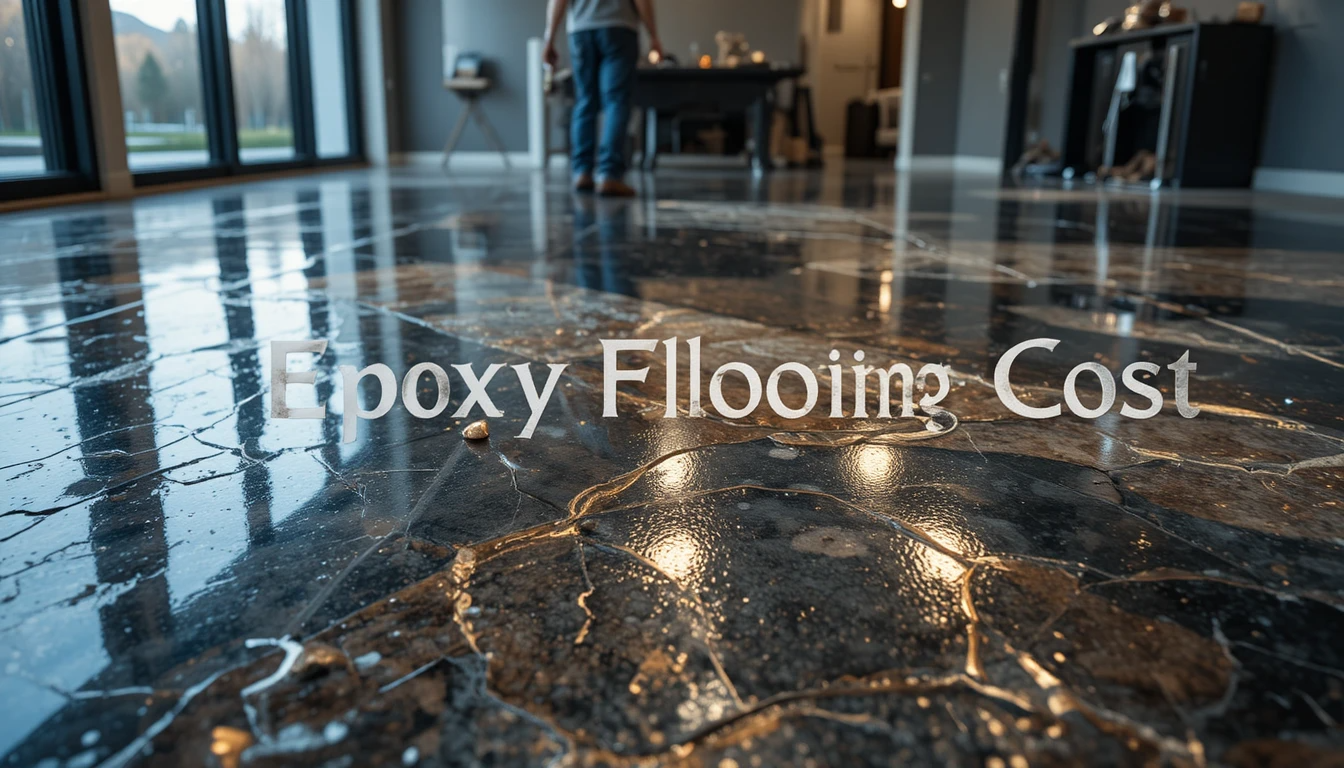
Epoxy flooring is a durable surface created by combining resin and hardener, ideal for residential garages, basements, and commercial warehouses. Professional installation lasts 10 to 20 years and resists chemicals, moisture, and heavy machinery.
Options include solid, metallic, and flake epoxy, offering both aesthetic appeal and functional strength. Premium brands like Rust-Oleum, Quikrete, and Armstrong offer high-quality coatings, helping minimize damage, ensure long-term durability, and enhance property value over time.
Epoxy flooring is widely used in spaces that demand durability, safety, and easy maintenance. In residential settings, it is commonly installed in garages, basements, kitchens, and workshops because of its resistance to stains, moisture, and heavy foot traffic. In commercial and industrial environments, epoxy is ideal for warehouses, hospitals, retail stores, and manufacturing facilities where chemical resistance and slip prevention are essential. Its versatility makes it one of the most practical flooring solutions for both functional and decorative purposes.
Epoxy Floor Cost Factors
- Area Size: Larger spaces require more materials and labor, raising costs.
- Surface Preparation: Concrete cracks, moisture, or uneven floors need grinding and patching.
- Epoxy Type: Solid $3–$7 per square foot, metallic $7–$12, flake $5–$10.
- Labor Fees: Typically $2–$5 per square foot, depending on the level of expertise.
- Extras: Custom colors, textures, or logos can increase total installation cost.
Types of Epoxy Flooring
Solid Epoxy Coating
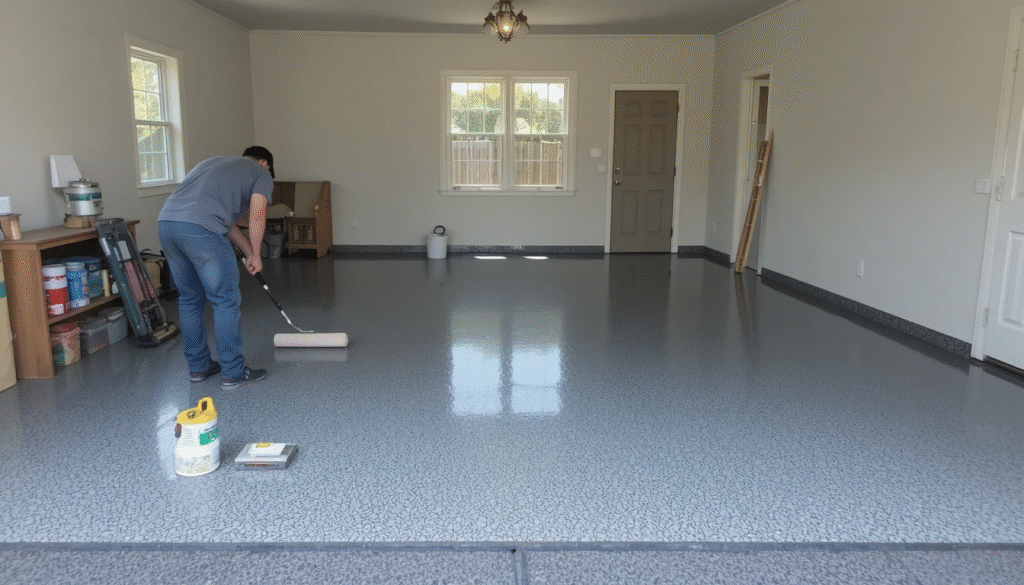
In Epoxy floor cost, this economical choice averages $3–$7 per square foot, providing smooth, durable coverage. Ideal for garages, basements, or light commercial spaces, it resists oil, chemicals, and abrasion. Installation requires proper surface preparation and high-quality resin for maximum longevity. Solid epoxy is low maintenance, cost-effective, and highly functional for everyday wear. Its simplicity and strength make it a popular choice for homeowners and small businesses.
Metallic Epoxy
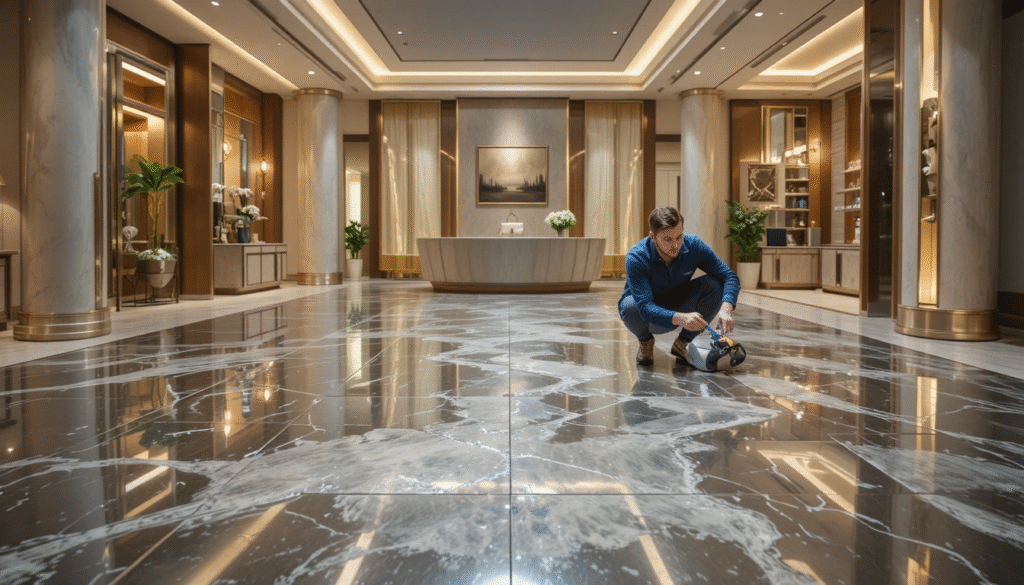
Metallic epoxy ranges from $7–$12 per square foot and produces a reflective, high-end surface. It is ideal for showrooms, upscale commercial spaces, or areas requiring luxury aesthetics. Professional installers are recommended to achieve seamless blending, glossy finishes, and color depth. Metallic epoxy resists heavy traffic, stains, and chemicals while adding a stylish appearance. This finish increases labor and material costs but offers a visually striking, long-lasting floor.
Decorative Flake Epoxy
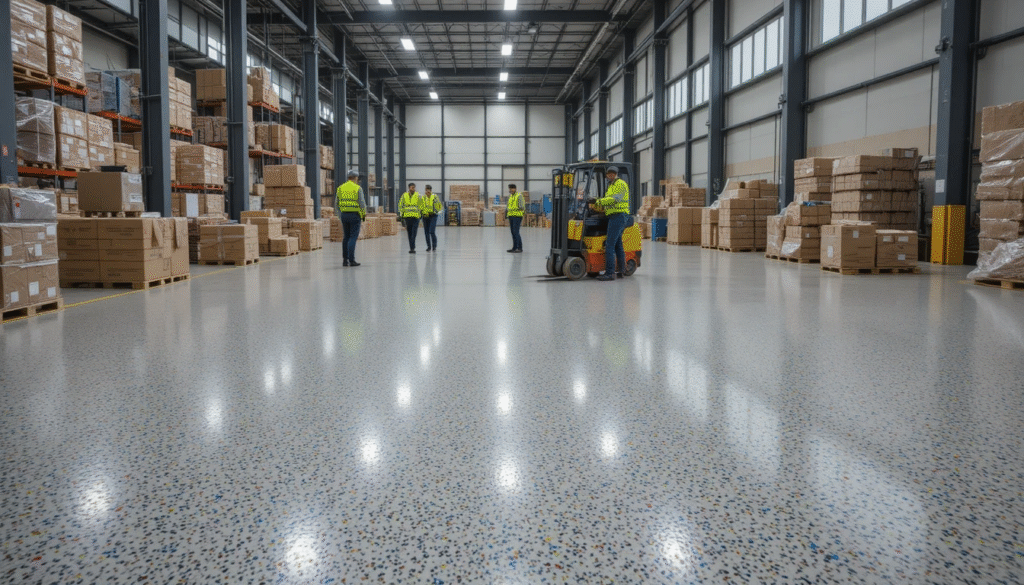
Flake epoxy costs $5–$10 per square foot and is widely used in industrial and garage areas. It incorporates vinyl or colored flakes for slip resistance, texture, and visual appeal. This style hides minor imperfections while improving durability. Professional installation ensures proper adhesion and long-term performance. Flake epoxy provides excellent protection against chemicals, impacts, and moisture.
Surface Preparation and Tools
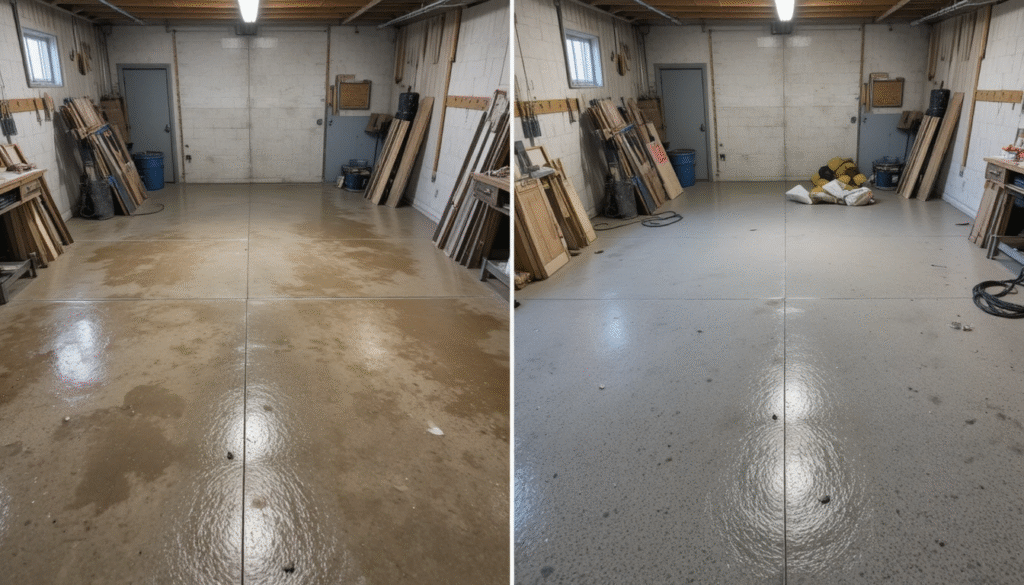
Proper preparation is essential for durable epoxy floors. Concrete must be cleaned, patched, and sanded using grinders or diamond discs. Etching or primers improve resin adhesion. Tools include rollers, squeegees, mixers, and safety equipment. Neglecting preparation may lead to bubbling or peeling, increasing the epoxy floor cost for repairs. Well-prepared surfaces resist chemical spills, heavy loads, and scratches. Surface preparation directly impacts the floor’s longevity, performance, and appearance.
Labor Costs for Installation
- Installation by professionals averages $2–$5 per square foot.
- Metallic or flake designs increase labor costs by $1–$3 per square foot.
- Skilled installers ensure proper mixing, application, and curing for maximum durability.
- Licensed contractors reduce errors, avoid peeling, and maintain warranty validity.
- Correct labor practices ensure epoxy floors last for decades with minimal repair or maintenance costs.
Maintenance and Longevity
In Epoxy floor cost, Epoxy floors require simple maintenance to retain performance. Cleaning with mild detergent, microfiber mops, or soft brushes removes debris. Applying topcoats every three to five years maintains shine and durability. Minor scratches or chips cost $20–$50 to repair. With regular care, epoxy floors outlast vinyl, tiles, or polished concrete. Industrial and residential spaces benefit from chemical resistance, moisture protection, and low maintenance costs, making epoxy flooring a practical long-term investment.
Cost Comparison with Other Floors
Compared to ceramic tiles costing $5–$15 per square foot, epoxy is more durable under heavy loads. Polished concrete averages $4–$8 per square foot but lacks color variety. Vinyl floors at $2–$5 per square foot wear faster and require more replacements. Epoxy offers excellent chemical, water, and abrasion resistance, combined with visual appeal. Though slightly more expensive to install, epoxy provides long-term value, making it ideal for commercial, industrial, and residential applications.
Additional Expenses and Tips
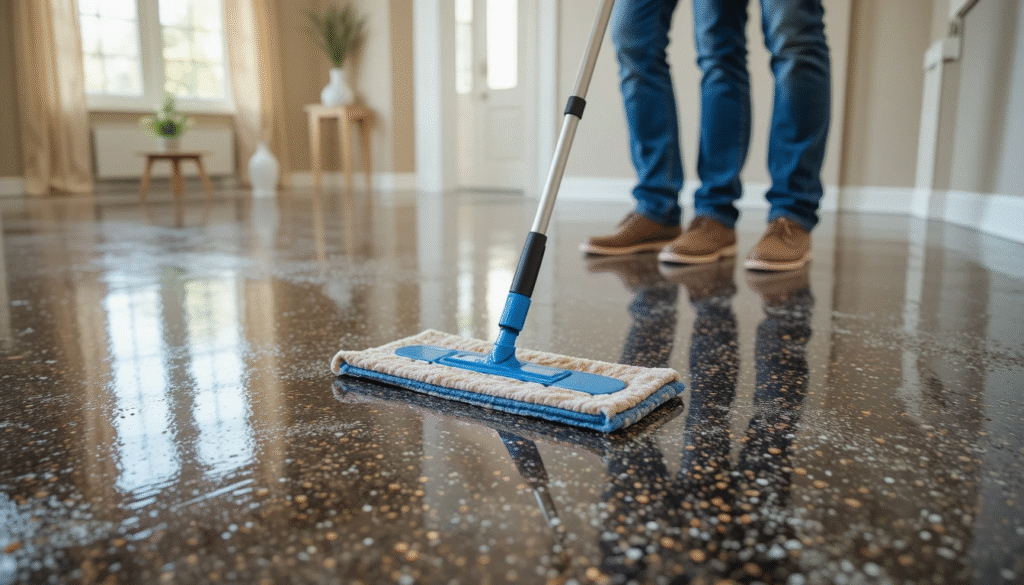
Extra expenses may include primers, moisture barriers, or decorative pigments. Metallic and flake finishes add $2–$5 per square foot to epoxy floor cost. Cracked or uneven concrete requires repair, which increases labor costs. Prepping the site or scheduling off-season installation may reduce overall expenses. Proper planning ensures smooth application, long-lasting performance, and attractive finishes.
Conclusion
Epoxy flooring provides durable, chemical-resistant surfaces that last 10–20 years in homes and commercial spaces. The Epoxy floor cost ranges from $3–$12 per square foot, depending on type and extras, with labor averaging $2–$5 per square foot. Regular cleaning and topcoats every 3–5 years maintain performance. Investing in quality brands and professional installation ensures low maintenance, enhanced durability, and a visually appealing floor that delivers excellent long-term value.
Apart from that, if you want to know more about Leaf Guard Cost: Expert Insights on Materials, Installation, and Durable Gutter Protection then visit our Home improvement category.
FAQs
Professionally installed epoxy floors last between 10 and 20 years. Proper maintenance, cleaning, and periodic topcoats help maintain durability, shine, and resistance to chemicals and heavy traffic.
Solid epoxy is the most economical choice, costing $3–$7 per square foot. It provides smooth, durable coverage and is ideal for garages, basements, and light commercial spaces.
Metallic epoxy ranges from $7 to $12 per square foot. The reflective, high-end finish requires professional installation, increasing both labor and material costs compared to solid epoxy.
Maintenance involves cleaning with mild detergent, microfiber mops, or soft brushes. Applying topcoats every 3–5 years helps preserve durability, color, and resistance to chemicals and moisture.
Grinding, patching, leveling, or repairing concrete increases epoxy cost but ensures proper adhesion, prevents peeling, and prolongs the floor’s lifespan.