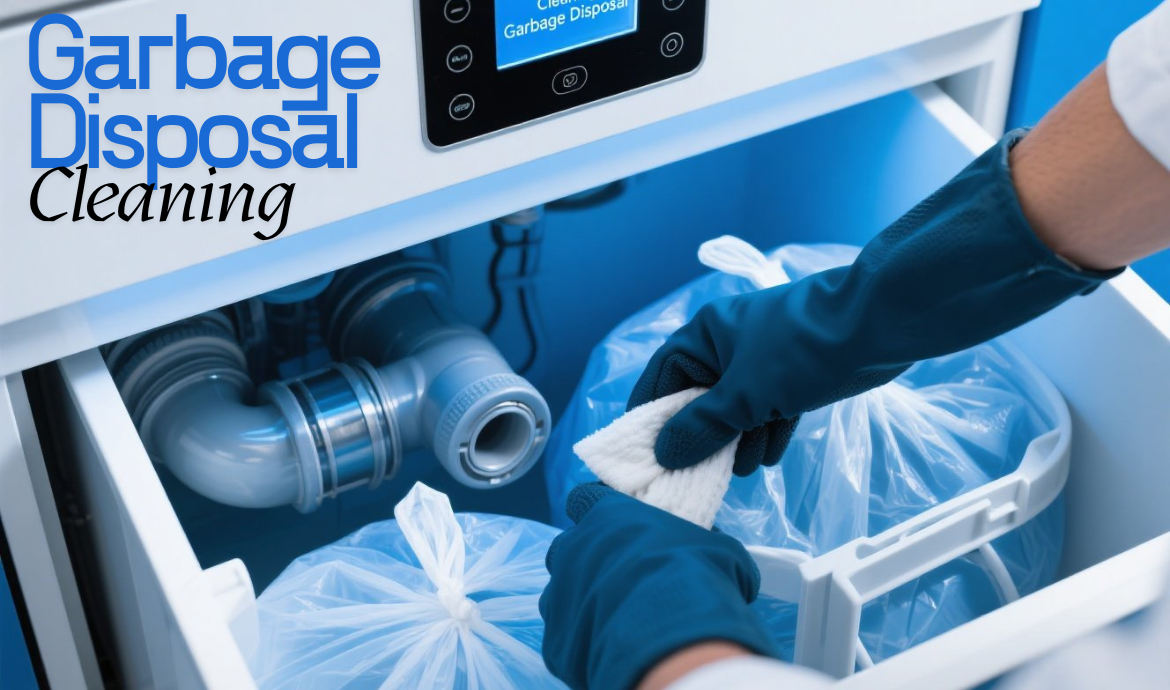
Cleaning Garbage Disposal
A clean and well-maintained garbage disposal is vital for keeping your kitchen hygienic and odor-free. Over time, food residue, grease, and debris can accumulate, leading to unpleasant smells, clogs, and even mechanical issues.
Regular cleaning of your garbage disposal not only enhances its performance but also extends its lifespan. This guide provides everything you need to know about cleaning garbage disposal from recognizing warning signs and following essential safety precautions to step-by-step cleaning instructions and long-term maintenance tips that ensure your disposal continues running smoothly.
| Section | Description |
| Cleaning Garbage Disposal | Identify odors, slow drainage, and strange noises. |
| Safety Precautions | Always unplug the disposal before cleaning. |
| Use of Hands and Harsh Chemicals | Use tools instead of hands; avoid strong chemicals. |
| Protective Gears | Wear gloves and goggles for safety. |
| Dos and Don’ts | Clean monthly, use cold water, and avoid fibrous foods. |
| Step-by-Step Cleaning Process | Simple guide using baking soda, vinegar, ice, and citrus. |
| Additional Tips | Run regularly and check for clogs or leaks. |
| Conclusion | Regular cleaning ensures efficiency and longevity. |
Signs Your Garbage Disposal Needs Cleaning
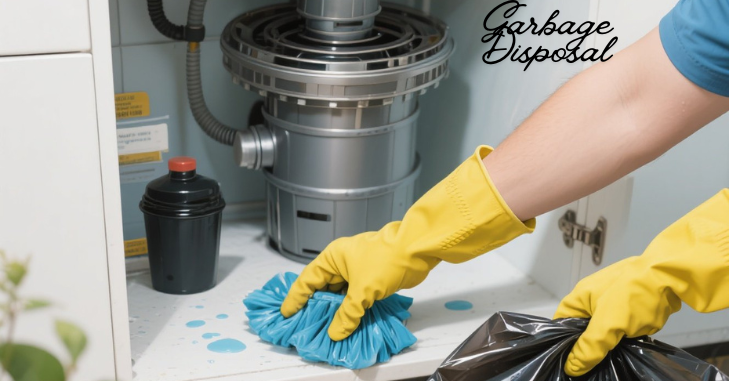
One of the first signs that your garbage disposal needs cleaning is foul-smelling air coming from it. Food particles can get trapped in the disposal, leading to bacterial growth and unpleasant odors. If you notice that water is draining slowly from the disposal, it may be due to a buildup of food particles or grease, which can lead to clogs and potential backups. We cover this in more depth in Heat Damaged Hair.
Unusual grinding sounds can also indicate that foreign objects are stuck in the disposal or that the blades are dull and need attention. Regularly experiencing clogs can be another sign that your disposal is not functioning properly and may require cleaning or repairs.
Additionally, if you notice water pooling under your sink, it could indicate a leak in the disposal unit, which often requires immediate attention to prevent further damage.
Safety Precautions
When cleaning or maintaining your garbage disposal, safety should be your top priority. Always unplug the disposal or turn off the circuit breaker before attempting any cleaning or maintenance, as this reduces the risk of accidental injury.
Use of Hands And Harsh Chemicals
If you need to remove any items from the disposal, use tongs or pliers instead of your hands to avoid injury. It’s also advisable to steer clear of strong chemical cleaners that can damage the disposal or create harmful fumes; opt for natural cleaning solutions instead.
Protective Gears
Consider wearing gloves and goggles when cleaning to protect yourself from sharp objects and potential splashes. Regularly inspect the disposal for any signs of wear or damage, such as frayed cords or cracks in the casing, to ensure its safe operation.
Dos and Don’ts of Garbage Disposal Maintenance
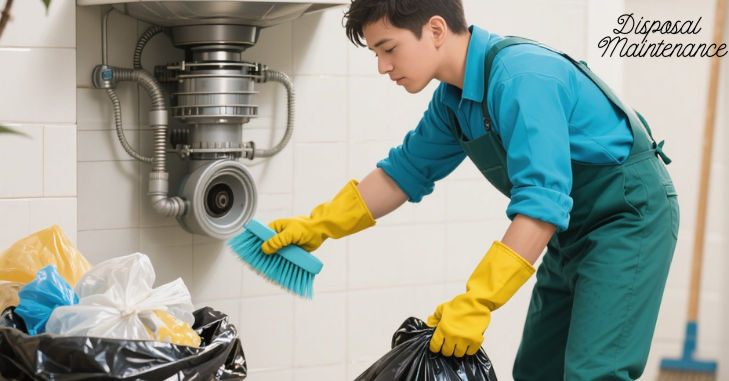
To keep your garbage disposal functioning well, there are several dos and don’ts to consider. Make it a habit to clean your garbage disposal regularly—at least once a month—to prevent buildup and odors. Always run cold water when using the disposal, as it helps solidify any fats or oils, making them easier to chop up and flush away.
Grinding citrus peels, like lemon or lime, can help freshen the disposal and eliminate odors. For a natural cleaning solution, pour half a cup of baking soda followed by half a cup of vinegar into the disposal. Let it sit for a few minutes before rinsing with hot water.
On the other hand, avoid putting too much food waste into the disposal at once, as this can lead to clogs and damage. Never dispose of fibrous vegetables, starchy foods, or bones, as these can cause jams. Always use cold water with your disposal, and refrain from ignoring any repairs.
If you notice issues like persistent odors or grinding noises, don’t ignore them; addressing problems early can prevent more significant issues down the road. Lastly, never put your hands into the disposal, even when it’s turned off. Always use tools to remove obstructions.
Knowing what not to put into a garbage disposal is just as important as cleaning it regularly. Grease, coffee grounds, eggshells, pasta, rice, and fibrous vegetables like celery or corn husks can create clogs or damage the blades over time. Hard items such as bones or fruit pits may dull or jam the grinding mechanism. By avoiding these materials and disposing of them separately, homeowners can reduce wear and tear, prevent costly repairs, and keep the garbage disposal operating efficiently for longer.
Step-by-Step Cleaning Process
· Gather materials:
- Baking soda
- Vinegar
- Ice cubes
- Salt
- Dish soap
- Scrub brush or old toothbrush
- Flashlight
- Turn off the power to the garbage disposal for safety.
- Use a flashlight to inspect the inside for visible debris or obstructions.
- Remove large food particles carefully using tongs or pliers (never your hands).
- Run cold water for a few minutes to flush out loose debris.
- Pour ½ cup of baking soda into the disposal.
- Add ½ cup of vinegar and let the mixture fizz for about 10 minutes.
- Turn on the tap and run hot water for one minute to rinse.
- For deeper cleaning, add 1 cup of ice cubes and 1 cup of salt.
- Run cold water and turn on the disposal to clean the blades — the salt acts as an abrasive.
- Grind citrus peels (lemon or orange) for a fresh scent.
- Wipe the exterior and surrounding area with mild disinfectant or soapy water.
Additional Maintenance Tips
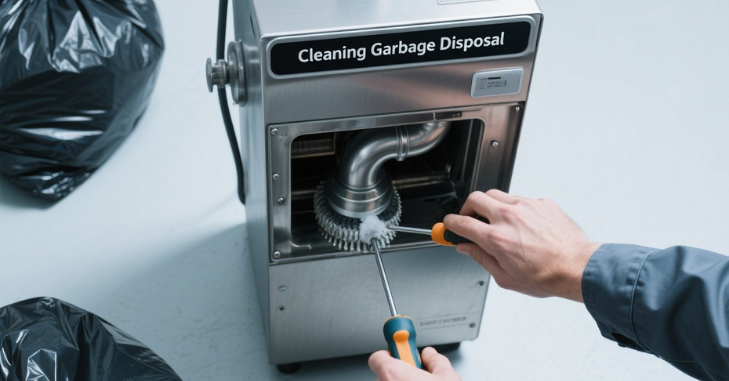
Maintaining your garbage disposal doesn’t end with cleaning. Make it a practice to run the disposal regularly, even if you don’t have food waste to grind. This helps keep it fresh and prevents rust. Periodically check the drain for clogs and clear them as needed to maintain optimal performance.
If you encounter persistent problems or your disposal makes unusual sounds, consider calling a professional for servicing. Please familiarize yourself with the capacity and limitations of your specific model to avoid overloading it. Understanding these limits can help you use your disposal effectively and avoid costly repairs.
Conclusion
Maintaining a clean and efficient garbage disposal is essential for a healthy kitchen environment. By recognizing the signs that indicate your disposal needs attention, adhering to safety precautions, and following the dos and don’ts outlined in this guide, you can ensure your garbage disposal remains in optimal condition.
Regular cleaning and maintenance not only extend the life of your appliance but also contribute to a fresher, more pleasant kitchen. Keeping these tips in mind will help you enjoy your garbage disposal’s convenience for years to come.
Want to know about Epoxy Floor Cost: Comprehensive Guide to Pricing, Types, and Installation for Long-Lasting Durable Floors Check out our Home improvement category.
FAQs
How often you use your garbage disposal will determine how much cleaning you need to do. If you use your disposal every day, think about cleaning it once a week. If you don’t use your disposal frequently, you won’t need to clean it as often.
Investigating the three Rs of waste management: recycle, reuse, and reduce. To keep as much material out of the landfill as possible, each of us needs to do our part.
To keep your garbage disposal in perfect condition, clean it with vinegar and baking soda. Add a cup of white or apple cider vinegar to the disposal after adding roughly half a cup of baking soda.