What Is Foundation Inspection?
A foundation inspection is a critical step for anyone buying, refinancing, or maintaining a manufactured home. Unlike traditional houses, manufactured homes are factory-built and then installed on-site, making the foundation’s quality and compliance essential for safety and stability.
This inspection ensures the home’s base is properly anchored, level, and capable of supporting the structure against soil movement, wind, and moisture. Lenders and government programs such as HUD and FHA also require a foundation inspection to verify the property meets federal and state construction standards.
Beyond financing, it protects homeowners from hidden structural risks, ensuring long-term durability and value. By understanding the process, cost, and inspection checklist, homeowners can make informed decisions that safeguard both their investment and peace of mind.
| Section | Overview |
| Introduction | Explains why foundation inspections are vital for safety, compliance, and loan approval. |
| Why It Matters | Prevents costly repairs, safety risks, and loan issues by catching weak anchoring or drainage problems early. |
| Foundation Types | Pier & Beam, Slab, Crawl Space, and Basement each have unique benefits and HUD requirements. |
| Inspection Process | Covers review, visual checks, anchoring, moisture, structure, utilities, and engineering certification. |
| Cost Overview | Average $300–$1,000 depending on type; certification adds $400–$800. |
| Inspection Report | Includes photos, foundation condition, and HUD/FHA compliance notes. |
| Checklist | Check structure, anchors, moisture, ventilation, utilities, and documentation. |
| When to Inspect | Before purchase/refinance, after relocation/weather, or every few years. |
| DIY vs. Professional | DIY for minor checks; professionals required for certifications and loans. |
| Preparation | Clear access, gather reports, and note issues like cracks or pooling water. |
| Repairs & Maintenance | Fix anchors, relevel supports, seal cracks, and improve drainage promptly. |
| Conclusion | Regular inspections protect safety, maintain compliance, and preserve home value. |
Why Foundation Inspections Matter?

- Foundation inspections for manufactured homes protect safety and investment.
- A faulty or noncompliant foundation can cause:
- Loan delays
- Safety risks
- Property damage
- Common issues include:
- Weak anchoring
- Poor drainage
- Soil settlement
- These problems can lead to:
- Costly repairs
- Decreased home value
- Loan denial
- Routine inspections identify issues early and ensure compliance and peace of mind.
Common Types of Manufactured Home Foundations
Pier and Beam Foundation
The pier and beam foundation is the most common system used in manufactured homes. It relies on concrete or steel piers that support beams under the home’s structure. Proper anchoring and skirting are essential to protect the home from shifting, pests, and weather-related damage.
Regular Foundation Inspection helps ensure stability and compliance with HUD standards.
Slab Foundation
A slab foundation places the home directly on a concrete slab anchored with bolts or straps. This type provides excellent moisture resistance and long-term durability, making it ideal for permanent installations that require minimal maintenance.
Crawl Space Foundation
Crawl space foundations are built with short perimeter walls, creating an accessible space beneath the home. This setup allows for easy utility access and repairs but requires proper ventilation and moisture control to prevent structural or mold-related issues.
Basement Foundation
Although less common, basement foundations provide extra storage or living space beneath the home. While they are more expensive to construct, they significantly enhance property value and offer superior stability.
The Foundation Inspection Process
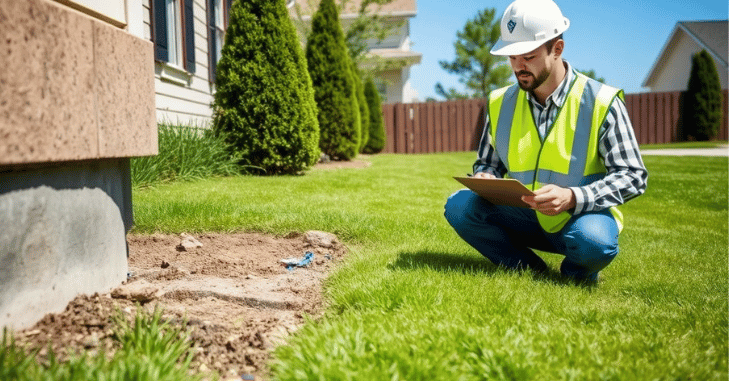
- Pre-Inspection Review
- The inspector reviews installation documents, previous reports, and lender or HUD requirements.
- Confirms safe access to crawl spaces and inspection areas before beginning.
- Visual Assessment
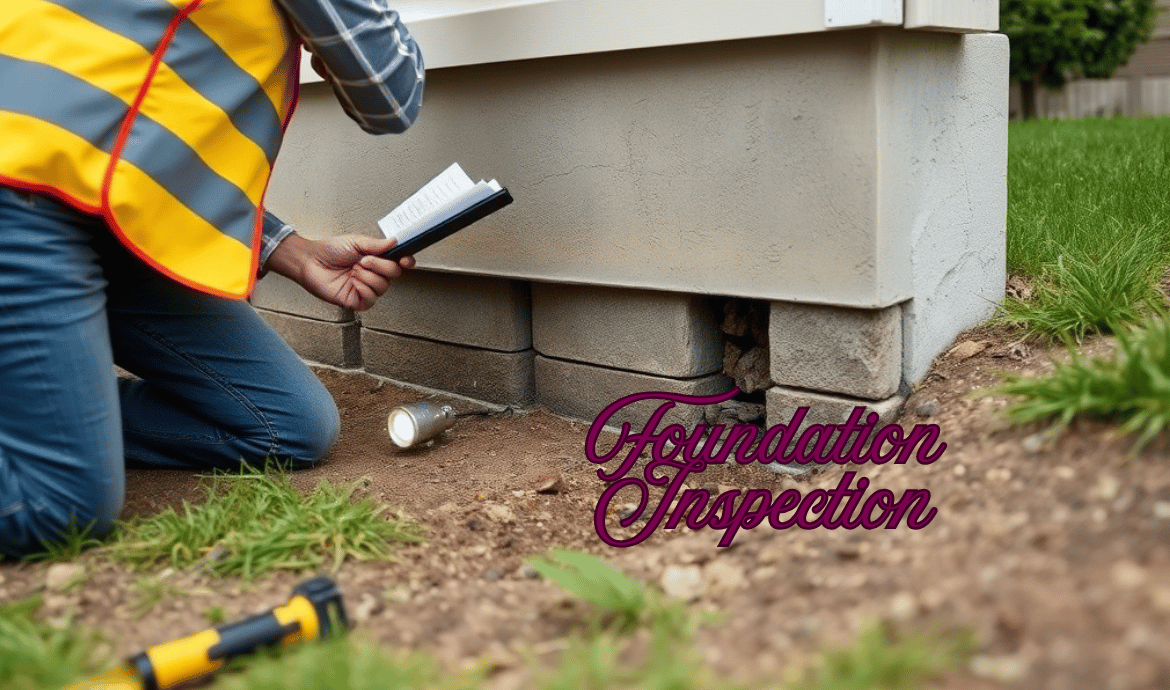
- Examines visible sections of the foundation for cracks, movement, or corrosion.
- Notes signs of settling, shifting, or water intrusion that could indicate structural issues.
- Anchoring and Strapping
- Checks anchors, bolts, and tie-downs for rust, tension, and compliance with HUD wind-resistance standards.
- Ensures the home is securely anchored to prevent sliding or uplift during storms.
- Moisture and Drainage
- Inspects gutters, grading, and drainage systems to confirm proper water flow away from the home.
- Identifies problems such as mold, mildew, or standing water that signal poor drainage.
- Structural Review
- Evaluates floors, beams, skirting, and framing for sagging, cracks, or deterioration.
- Ensures the structure remains stable and load-bearing components are intact.
- Utilities and Crawl Space
- Reviews plumbing, electrical lines, and insulation for secure and safe installation.
- Confirms crawl spaces are properly ventilated, clean, and free from obstructions or pests.
- Engineering Certification
- A licensed engineer may issue a foundation certification letter verifying compliance with HUD/FHA standards.
- This certification is often required for financing or insurance approval.
Foundation Inspection Cost
Costs vary based on location, home size, and the need for an engineering report. On average:
- Basic inspection: $300–$500
- HUD/FHA certification: $400–$800
- Full structural inspection: $500–$1,000
- Re-inspection after repair: $150–$300
Accessibility, soil conditions, and regional labor rates can also affect pricing. Always request a detailed quote from a certified professional before scheduling.
What the Inspection Report Includes
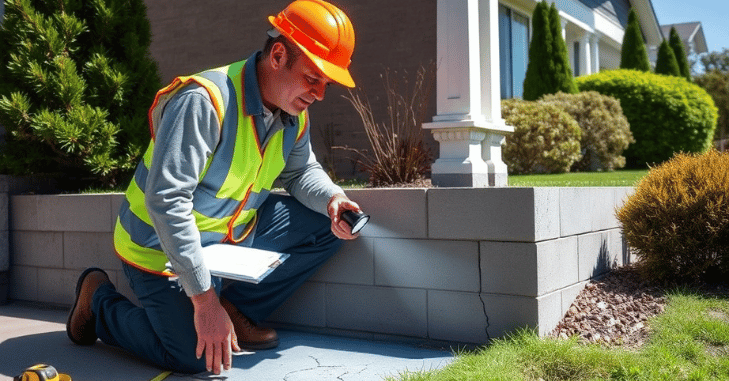
After the inspection, homeowners receive a detailed report or an engineering certification letter. It outlines property details, foundation type, condition, and compliance with HUD/FHA standards.
The report often includes photographs, repair recommendations, and certification validity, typically lasting one to two years. For FHA or VA loans, it must be sealed by a licensed engineer.
Foundation Inspection Checklist
Inspectors and homeowners should focus on these areas:
Structural Components
Check the connection between the home frame and foundation. Piers should be level, stable, and free from cracks or settling.
Anchors and Tie-Downs
Ensure straps and anchors are corrosion-free and properly tensioned to prevent shifting or wind damage.
Moisture Protection
A secure vapor barrier, proper drainage, and functional gutters are essential to prevent rot and mold.
Skirting and Ventilation
Skirting should be intact with functional vents to control moisture and block pests.
Utilities and Safety
Plumbing and electrical lines should be safely insulated, supported, and leak-free.
Documentation
Keep foundation drawings, previous inspection reports, and certification letters for reference or refinancing.
When to Schedule a Foundation Inspection
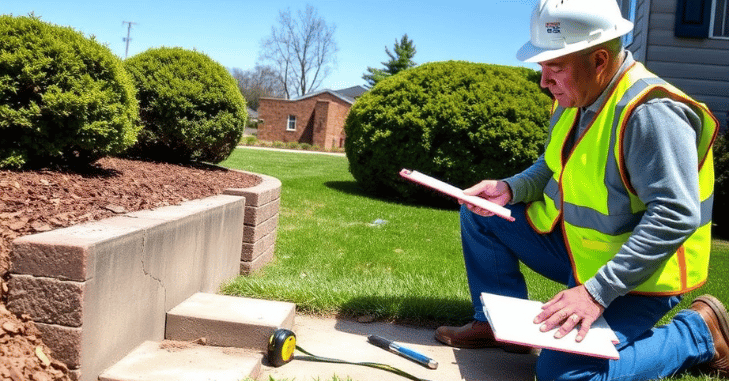
- When to Schedule a Foundation Inspection
- Before buying or refinancing a manufactured home.
- After releveling, relocation, or severe weather events.
- Regular inspections every few years help maintain compliance and detect early issues.
- DIY vs. Professional Inspections
- Homeowners can perform basic visual checks for water damage, cracks, or uneven settling.
- Only professional inspections are valid for loans, certifications, or insurance.
- Licensed engineers use specialized tools to identify hidden structural or moisture problems.
- Preparing for a Foundation Inspection
- Clear debris around the home and ensure crawl space access is open.
- Gather previous inspection reports and note visible issues such as pooling water or cracks.
- Proper preparation helps the inspector work efficiently and accurately.
- Repairs and Maintenance After Inspection
- Address problems quickly to prevent long-term structural damage.
- Common repairs include releveling supports, replacing corroded anchors, sealing cracks, and improving drainage.
- Add insulation, skirting, or vapor barriers to protect and extend the foundation’s lifespan.
Signs Your Manufactured Home May Need an Immediate Foundation Inspection
A manufactured home may require an immediate foundation inspection if you notice warning signs such as doors or windows that suddenly become difficult to open or close, uneven or bouncy floors, widening cracks around interior walls or ceilings, or gaps forming where walls meet the floor.
Outside the home, leaning support piers, damaged skirting, standing water around the foundation, or visible erosion near the base can also indicate potential structural movement. Addressing these symptoms early can help prevent more extensive damage, reduce repair costs, and maintain the home’s structural integrity.
Conclusion
A foundation inspection for a manufactured home is a vital step in ensuring the property’s long-term safety, stability, and compliance. It helps homeowners identify potential structural weaknesses, moisture issues, or anchoring problems before they lead to costly repairs.
Whether you are purchasing, refinancing, or maintaining a home, a certified inspection confirms that the foundation meets HUD and FHA standards, which is critical for both financing and structural security.
By scheduling regular foundation inspections and addressing any issues promptly, homeowners can maintain their property’s value, prevent damage, and ensure the home remains a safe and solid investment for years to come.
Want to know about The Ultimate Guide on How to Get Rid of Carpenter Ants Naturally in Your House, Walls, Yard, Camper, and More Info Check out our Home improvement category.
FAQs
Conducted by a foundation or structural engineer, who is more equipped to identify little issues.
A robust building material that combines conventional cement concrete with reinforcing (steel bars).
30% sand, 40% stone, 20% air and water, and 0% cement, depending on the concrete mixture’s absolute volume.
For more information on common traffic violations that could potentially lead to accidents, check out The Most Common Traffic Violations and How to Avoid Them.
For more on ensuring your home’s foundation meets federal and state construction standards, check out The Most Common Traffic Violations and How to Avoid Them.
For those planning a prom event in a manufactured home, it’s essential to ensure the foundation’s stability. Check out The Most Unique White Prom Dresses for some stylish options that won’t compromise safety.