Your car’s paint is more than just an aesthetic feature—it acts as a vital protective layer shielding your vehicle from environmental damage while showcasing your unique style. Whether restoring a classic, repairing scratches, or customizing your ride, understanding the fundamentals of auto paint is essential for achieving optimal results.
In this guide, we’ll explore the auto painting process, various paint types, popular finishes, and important factors to consider when choosing the perfect paint for your vehicle. Armed with this knowledge, you’ll be better prepared to make informed decisions and maintain your car’s appearance and value for years to come.
Why Does Auto Paint Matter?
Auto paint serves two essential purposes:
- Protection: It shields your car’s metal surfaces from rust, corrosion, ultraviolet (UV) damage, moisture, and environmental debris, thereby preserving the structural integrity of your vehicle.
- Appearance: A well-executed paint job enhances your car’s aesthetic appeal, boosts resale value, and allows you to express your personal style.
A superior paint finish combines longevity, functionality, and stunning visual appeal, making it an indispensable part of vehicle maintenance and customization.
The Auto Painting Process
Painting a car is a detailed procedure that demands skill, precision, and the right materials. Here’s a comprehensive step-by-step overview:
1. Preparation
Effective preparation is the foundation for a flawless paint job. This phase includes:
- Cleaning: Removing dirt, grease, and old residues by thorough washing.
- Sanding: Stripping away old paint and smoothing the surface to enable better paint adhesion.
- Masking: Shielding areas like windows, trim, and tires to prevent overspray.
2. Priming
A primer coat is applied to:
- Create an even, smooth base.
- Prevent rust by protecting the metal.
- Enhance paint adhesion for durability.
Common primers include epoxy, urethane, and etching primers, chosen according to the car’s material and condition.
3. Painting
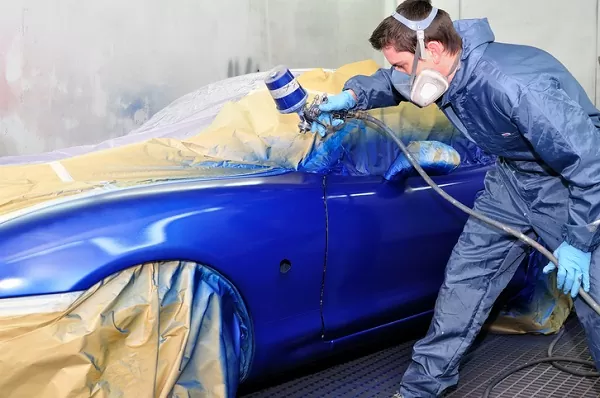
After the primer dries, multiple layers of paint are applied, typically using a spray gun for even coverage:
- Base Coat: Delivers the vehicle’s color and aesthetic appeal.
- Clear Coat: Adds gloss, protects against UV rays, and increases durability.
4. Curing and Buffing
The paint requires a curing period for hardening. After curing, buffing and polishing remove imperfections, resulting in a smooth, glossy finish.
Types of Auto Paint
Auto paint varieties offer different finishes and benefits. Here are the main types to consider:
1. Acrylic Lacquer
- Pros: Affordable and straightforward to apply, yielding a bright, high-gloss finish.
- Cons: Relatively less durable; prone to fading and requires frequent upkeep.
- Best For: Classic cars and show vehicles.
2. Acrylic Enamel
- Pros: Offers a hard, durable finish with good protection.
- Cons: Longer drying time; professional application is recommended.
- Best For: Daily drivers seeking a balance of cost and durability.
3. Urethane Paint
- Pros: Highly durable, resistant to chipping and fading; available in a broad spectrum of finishes.
- Cons: Costs more and requires specialized spray equipment.
- Best For: Modern cars and long-term use.
4. Water-Based Paint
- Pros: Environmentally friendly with vibrant colors and low volatile organic compounds (VOCs).
- Cons: Needs a clear coat for enhanced durability.
- Best For: Regions with strict environmental standards.
Popular Paint Finishes
Your car’s paint finish defines its sheen, texture, and visual impact. Common finish types include:
1. Glossy Finish
- Offers a smooth, highly reflective surface, enhancing the vehicle’s sleek and polished look.
- Favored for luxury and sports cars due to its striking appearance.
2. Matte Finish
- Features a flat, non-reflective texture that gives a contemporary, edgy vibe.
- Requires specific cleaning methods to maintain the unique surface.
3. Metallic Finish
- Contains fine metal flakes that reflect light, creating a sparkling, premium look.
- Popular among high-end vehicles for its luxurious effect.
4. Pearlescent Finish
- Displays a shimmering effect, changing color subtly under different lighting conditions.
- Adds elegance and uniqueness to any car paint job.
Factors to Consider When Choosing Auto Paint
Choosing the ideal auto paint goes beyond color selection. Keep these factors in mind:
- Durability: Assess how well the paint withstands weather, UV rays, and wear.
- Color: Pick a hue that suits your vehicle’s style and personal taste.
- Cost: Quality paint and finishes vary widely in price, so establish your budget early.
- Maintenance: Some finishes, like matte, demand more attentive care than others.
- Environmental Impact: Consider low-VOC or water-based paints to reduce ecological footprint.
DIY vs. Professional Auto Painting
Deciding whether to paint your car yourself or hire a professional depends on several considerations:
DIY Painting
- Pros: Cost-effective and fulfilling for car enthusiasts who enjoy hands-on projects.
- Cons: Requires investment in equipment, skill development, and can result in costly errors.
- Best For: Minor touch-ups or older vehicles where perfection is less critical.
Professional Painting
- Pros: Delivers impeccable results with access to advanced tools and trained technicians.
- Cons: Higher cost compared to DIY.
- Best For: Valuable vehicles or full-scale paint jobs requiring expert attention.
If you’re seeking premier auto paint in Bellevue, WA, Exotic Motors comes highly recommended. Their expert team guarantees precision and exceptional quality, ensuring a finish that surpasses expectations. Whether you desire custom work or repairs, they are a trusted choice for professional auto painting services.
Common Questions About Auto Painting
- How much does a professional paint job cost?
- Prices typically range from $500 for basic paint jobs to over $10,000 for high-end custom finishes, depending on complexity and materials.
- How long does a paint job take?
- The timeline usually spans 3 to 7 days, influenced by the extent of preparation, drying time, and paint layers.
- Can I change my car’s color?
- Yes, color changes are possible, though they often require more time and expense compared to repainting with the original color.
- How do I maintain my car’s paint?
- Regular washing, waxing, and protecting your vehicle with covers will help prolong the paint’s lifespan and shine.
Final Thoughts: Choosing the Right Auto Paint
Auto painting represents a perfect mix of art and science, offering limitless opportunities to customize and protect your vehicle. Whether addressing damage or enhancing your car’s aesthetic, comprehending the painting process and available options empowers you to make the best choices for your needs.
Ready to give your car a stunning new look? Let’s talk about your goals, budget, and preferences to identify the ideal paint solution tailored for your vehicle. A flawless finish is just waiting to be achieved!
Additionally, if you want to learn more about Essential Tips for Finding Quality Volvo Truck Parts, please visit our dedicated Automobile category for comprehensive information and expert insights.
Auto paint technology continues to evolve, with manufacturers increasingly focusing on eco-friendly, durable solutions that enhance both appearance and environmental sustainability. Innovations such as ceramic coatings and advanced clear coats provide enhanced protection against UV rays, scratches, and contaminants, significantly extending the life of your paint job. As a result, modern auto paint not only beautifies but also improves vehicle longevity and resale value. Staying informed about the latest advancements ensures your vehicle maintains its showroom shine and protection while minimizing environmental impact.