
Knowing About The Fluid Truck
A fluid truck is a specialized vehicle designed to transport liquids safely across industrial, agricultural, and municipal sectors. Built from corrosion-resistant stainless steel or aluminum, each car carries up to 20,000 liters of fuel, water, or chemicals. Featuring GPS tracking, advanced sensors, and anti-roll systems, it ensures precision and safety.
Operating in global hubs such as Houston and Rotterdam, the fluid truck plays a vital role across regulated industries, from firefighting and waste removal to oil refining and construction. With features like temperature control, telemetry monitoring, and compliance with ADR and DOT standards, these trucks represent innovation, reliability, and sustainability in modern liquid logistics, setting new efficiency standards worldwide.
| Basics | Description |
| Purpose | Transports liquids safely across industries. |
| Tank Material | Stainless steel or aluminum, corrosion-resistant. |
| Capacity | Holds up to 20,000 liters. |
| Sensors | Monitor temperature, pressure, and liquid levels. |
| GPS & Safety | GPS tracking with spill-prevention systems. |
| Fuel & Chemical | Transport diesel, gasoline, and chemicals safely. |
| Temperature Control | Maintains stable conditions for sensitive liquids. |
| Water & Vacuum | Deliver water or remove waste liquids efficiently. |
| Safety Systems | Anti-roll, fire-resistant coatings, and emergency valves. |
| Compliance | ADR (Europe) and DOT (USA) regulations. |
| Loading & Transport | Pumps circulate liquids with controlled flow. |
| Monitoring | Real-time GPS and sensor updates during transport. |
| Maintenance | Regular inspections prevent leaks and failures. |
| Applications | Oil, agriculture, chemicals, municipal, and construction use. |
Features of a Fluid Truck
A fluid truck is designed for transporting liquids safely and efficiently. Equipped with stainless steel or aluminum tanks, corrosion-resistant coatings, and high-capacity pumps, it can carry up to 20,000 liters. Advanced sensors monitor temperature, pressure, and liquid levels. GPS tracking and spill-prevention systems ensure secure transport, reducing risks across industrial, chemical, and agricultural sectors globally.
Types
Fuel and Chemical Carriers

Fuel and chemical trucks safely transport diesel, gasoline, and industrial chemicals. Tanks are pressure-rated, corrosion-resistant, and feature anti-spill valves. Temperature-controlled compartments maintain stability during transit. Operating globally from hubs in Houston, Rotterdam, and Singapore, these trucks serve refineries, chemical plants, and distribution centers, ensuring reliable, efficient, and compliant transport for industrial and commercial applications worldwide.
Water and Vacuum Trucks
Water trucks deliver water for construction, firefighting, and dust control, while vacuum trucks collect and dispose of waste liquids. Tanks range from 5,000 to 15,000 liters. Reinforced chassis and anti-slip systems ensure safe operation. Equipped with telemetry, GPS, and flow monitoring, these trucks enhance efficiency and safety, supporting municipalities, farms, and disaster response teams in urban and remote areas worldwide.
Working Process
- Loading: Liquids are filled into tanks via intake valves or suction pumps.
- Transport: Pressurized systems circulate liquids while monitoring flow.
- Monitoring: Sensors and GPS provide real-time operational data.
- Delivery: Controlled discharge ensures accurate offloading.
- Maintenance: Inspections prevent leaks or mechanical failures.
Fluid trucks combine precise engineering and digital monitoring to deliver safe, fast, and reliable transport, optimizing efficiency across industrial, agricultural, and municipal operations worldwide.
Safety and Compliance
Safety Features
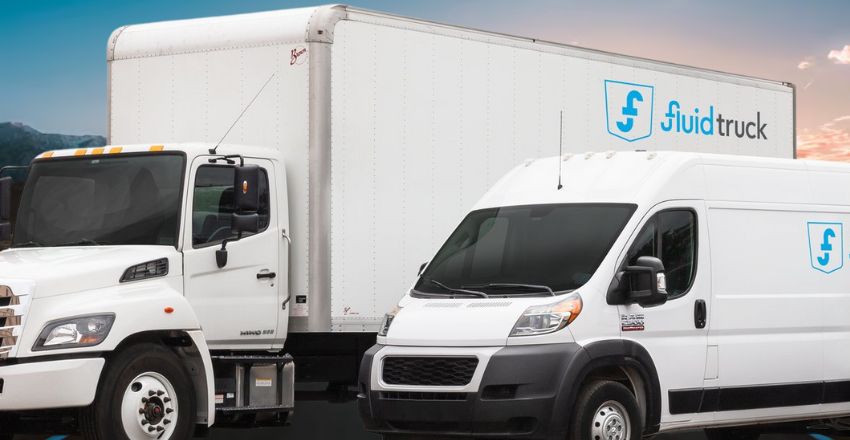
trucks include anti-roll systems, fire-resistant coatings, emergency valves, and pressure relief mechanisms. GPS tracking, collision detection, and remote monitoring enhance security. Specialized driver training ensures proper handling of hazardous liquids.
These safety measures reduce accidents, environmental hazards, and operational downtime, making trucks suitable for transporting fuel, chemicals, or water safely across industrial, agricultural, and urban locations globally. Fluid trucks transport liquids like fuel, chemicals, or water safely using specialized tanks and pumps.
Regulatory Compliance
Fluid trucks comply with ADR regulations in Europe and DOT rules in the USA. Tanks are inspected regularly for integrity and pressure compliance. Proper labeling, permits, and secure attachments ensure compliance with the law. Fleet management systems track certification, maintenance, and performance. Compliance ensures the safe transportation of fuel, chemicals, and water while minimizing environmental risks, enabling trucks to operate efficiently in regulated global markets.
Support and Compatibility

Trucks handle fuels, chemicals, water, and agricultural liquids. Global support is available in North America, Europe, and Asia. Optional telematics track multiple trucks and monitor tank pressure, flow rates, and GPS positions. Mobile dashboards and apps improve fleet coordination. Firmware updates, remote troubleshooting, and emergency part delivery maintain performance, enabling consistent, safe, and efficient liquid transport across multiple locations globally.
System Requirements and Technology
trucks require high-capacity pumps, flow meters, GPS, and sensors for accurate operation. Engine and pump specs match tank size and liquid type. Automation in heating, cleaning, and control panels improves efficiency. Fleet management software monitors pressure, volume, and location in real time. These technologies ensure safe, timely, and precise liquid deliveries while reducing human error in industrial, agricultural, and municipal transport.
Applications
- Oil and gas: fuel delivery to refineries and distribution centers.
- Agriculture: water, fertilizers, and pesticide transport.
- Municipal services: firefighting, water supply, and waste removal.
- Chemical industry: acids, solvents, and industrial liquid transport.
- Construction: water supply and dust suppression.
Fluid trucks provide safe, efficient liquid transport across industries.

Conclusion
The fluid truck stands as a critical solution for safe, efficient liquid transport across industries. With capacities up to 20,000 liters, advanced sensors, GPS tracking, and durable, corrosion-resistant tanks, it ensures reliable operations globally. Its compliance with ADR and DOT regulations, combined with safety systems and telemetry monitoring, reduces risks and improves productivity.
Serving sectors from agriculture and municipal services to oil, chemicals, and construction, the fluid truck enhances operational efficiency, emergency response, and environmental protection, making it an indispensable asset for modern industrial and commercial liquid logistics.
Want to know about Auto Paint Basics: Understanding the Process and Options Check out our Automobile category.
FAQs
Depending on its design, a truck can carry up to 20,000 liters, with reinforced tanks, corrosion-resistant coatings, and pressure management systems that ensure the safe transport of various liquids.
Trucks transport fuels, chemicals, water, agricultural liquids, and waste fluids, serving industrial, municipal, and agricultural sectors while maintaining safety and regulatory compliance during transit.
Safety is ensured through anti-roll systems, emergency valves, fire-resistant coatings, GPS tracking, and trained drivers, thereby reducing accidents, spills, and environmental hazards during liquid transport.
Trucks use GPS, flow meters, sensors, and automated pumps for accurate monitoring, tracking, and controlled liquid discharge, enhancing efficiency and minimizing human error.