Key Takeaways
- Hard water is a widespread concern for households using private wells and calls for effective water conditioning.
- Well water softeners apply ion exchange technology to remove minerals and preserve the lifespan of pipes and home appliances.
- Careful selection, regular testing, and routine maintenance are essential for optimizing softener performance over the long term.
- Educational resources, including the EPA’s WaterSense Program and NSF water softener information, empower homeowners to make well-informed decisions about their households.
What Is Hard Water?
Hard water is defined by a high concentration of dissolved minerals, particularly calcium and magnesium. For homeowners using well water, this isn’t just a minor annoyance—it’s a fact of daily life. According to the United States Geological Survey, hard water is present in nearly 85% of homes nationwide. Yet many remain unaware of its exact effects until signs like white, chalky scale appear on sinks or fixtures, dishes come out with spots, and soapy residues linger in showers and bathtubs. Over time, the buildup from these minerals can cause damage to pipes, faucets, water heaters, and household appliances, leading to expensive repairs and reduced equipment life.
The presence of hard water is more than a cosmetic issue; it can impact laundry, bathing, cooking, and even the taste of your drinking water. Homeowners frequently look for solutions and information from reputable sources on how to deal with mineral-rich water. Resources like water softeners Tampa discuss how various softener systems interact with different degrees of water hardness and why early intervention helps avoid costly plumbing work in the future.
How Do Well Water Softeners Work?
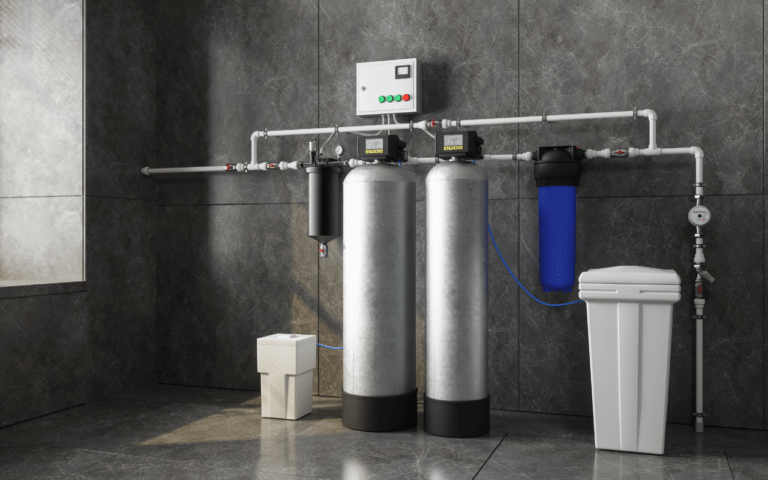
Well water softeners employ a tried-and-true method known as ion exchange to address complex water problems. Millions of tiny resin beads are coated with sodium inside the water softener’s main tank. As hard water flows through, the beads attract calcium and magnesium ions—responsible for hardness—grabbing them and releasing sodium in their place. This simple exchange is incredibly effective at lowering hardness levels, turning stubborn, mineral-heavy water into gentler water for your home and skin.
Other options exist, such as softeners that utilize potassium chloride instead of sodium, catering to those with dietary restrictions or specific environmental concerns. Some advanced units feature computerized control heads, tracking household water use and regenerating the system only when necessary, reducing waste. Media types and system design innovations have also led to salt-free conditioners and magnetic softening devices. However, traditional ion exchange remains the gold standard for reliable softening, especially for homes with significant mineral loads.
Common Benefits of Softened Water
Switching to softened water transforms more than just the taste—it changes your daily routines for the better. In the kitchen, softened water results in spotless glassware and cutlery, and laundry emerges brighter and softer after each wash. Personal care routines benefit as well; hair feels silkier, and skin is less dry and irritated after bathing, thanks to the absence of hard minerals that can strip away natural oils and clog pores. Appliance manufacturers consistently recommend softened water to help extend the lifespan and efficiency of washing machines, dishwashers, coffee makers, and water heaters.
Moreover, data gathered by the EPA’s WaterSense Program highlights that reducing the scale of appliances reduces repair bills and saves energy. When scale accumulates in water heaters, it acts as an insulator and forces the system to consume more power to deliver the same results. Homes with water softeners regularly report lower energy bills and fewer service calls—a true win-win for budget and convenience.
Choosing the Right Softener for Your Well
Selecting the right water softener starts with a detailed analysis of your well’s water. Water hardness varies by region and well depth, and secondary issues, like iron or manganese, may require tandem systems or specialty equipment. Most professionals recommend a thorough analysis before purchase, measuring the grains per gallon (gpg) of hardness and testing for additional contaminants. Once armed with this data, homeowners can match the size and type of softener to their family’s water consumption, which is typically measured in gallons per day.
Larger households or homes with tough water may opt for dual-tank systems, which provide a continuous supply of softened water even during the regeneration cycle. High-efficiency models with digital controls and “on-demand” operations minimize salt and water use, contributing to cost savings and environmental stewardship. Consulting experts and comparing product certification labels are highly recommended in this vital purchase decision.
Regular Maintenance Tips
Once installed, keeping a softener in optimal condition is straightforward but requires periodic checks. Salt reservoirs should be checked every few weeks and topped off as needed. Over time, salt can solidify (creating a “salt bridge”) or form sludge in the brine tank—both of which hinder the system’s effectiveness and should be addressed. A cleaning cycle with an approved softener cleaner annually helps keep resin beads working their best.
The resin inside the tank can degrade after many years of use, so testing water hardness before and after treatment helps detect early trouble. If a decline is noted, resin replacement may be in order. The NSF water softener information page offers detailed advice and troubleshooting for a more structured care plan to keep every component working smoothly and efficiently.
Looking Beyond Softening: Additional Water Quality Considerations
While water softeners do an excellent job of controlling mineral content, they are not designed to handle all contaminants. Well water can sometimes contain iron, sulfur, bacteria, viruses, or agricultural residues, among other concerns. This is why most health and environmental authorities strongly recommend annual laboratory water testing, even if the water looks, smells, and tastes fine.
Homeowners interested in full-spectrum protection often install multi-stage treatment systems, including sediment filters, iron removers, ultraviolet (UV) disinfection, or reverse osmosis units in addition to their softeners. This comprehensive approach provides peace of mind and ensures that every glass of water drawn from the tap is safe and refreshing.
Frequently Asked Questions About Well Water Softeners
- Will a softener remove all impurities from my healthy water?
- Water softeners target hardness minerals, but other contaminants, such as bacteria or chemicals, will require different filtration or disinfection technologies to remove them.
- Can softeners increase sodium in my water?
- Yes, the softening process does increase sodium slightly, but usually well within safe limits for healthy adults. If you have health concerns, consult your healthcare provider or choose a potassium-based softener.
- Is softened water safe for all household uses?
- Most uses are safe, but many gardeners and pet owners prefer untreated healthy water for plants and some pets, as softened water may not provide necessary minerals.
- Does a softener waste water?
- Modern softeners are much more efficient than their predecessors, consuming less water during the regeneration process. When selecting a new unit, always look for efficiency certifications.
Future Trends in Water Softening Technology
Water softening technology continues to evolve with advances in sustainability and user customization. Salt-free softeners are gaining popularity for their lower environmental impact, especially in regions with strict regulations on salt discharge. Smart home integration is another major shift, allowing homeowners to monitor water quality and salt levels remotely, receive maintenance alerts, and easily optimize system performance.
These innovations are influenced by technological progress, consumer awareness,reness, and environmental responsibility. As manufacturers develop more advanced resin types, eco-friendly alternatives, and automation features, the future promises safer, healthier, and even more efficient options for treating well water at home.
Apart from that, if you are interested to know about the Importance of Installing Backwater Valves then visit our Home improvement category.